Zora J Murff, At No Point In Between
03.11.21–07.04.22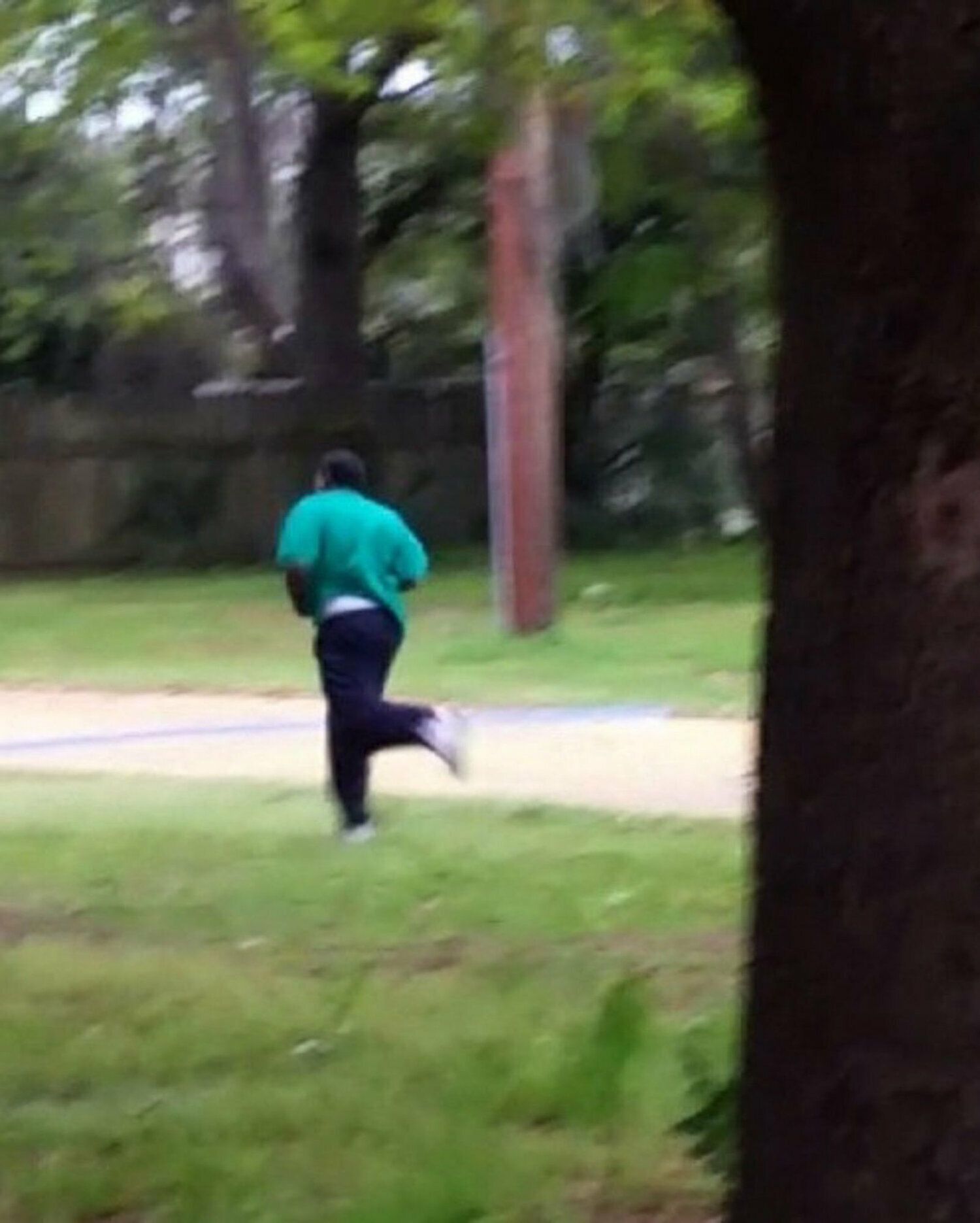
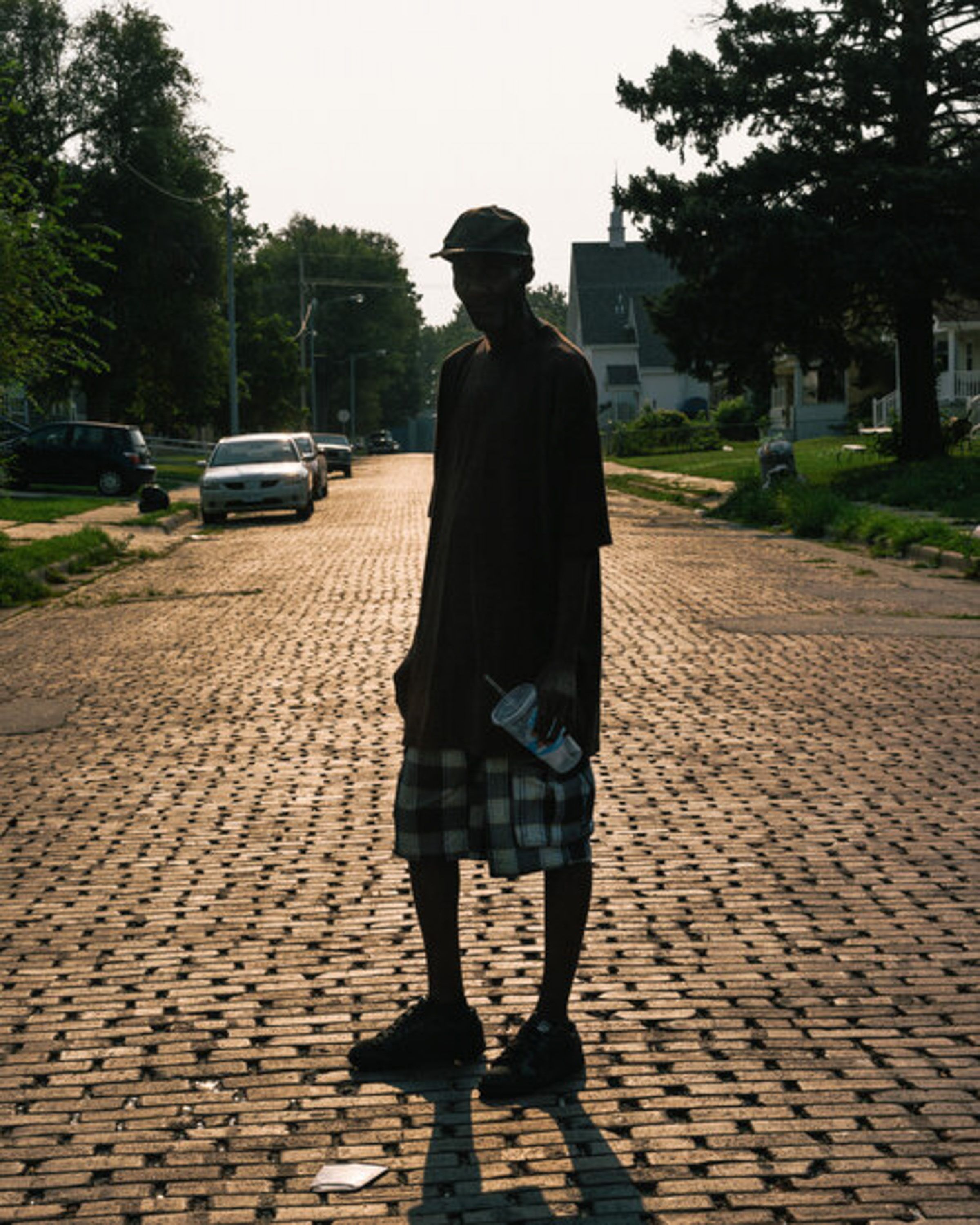
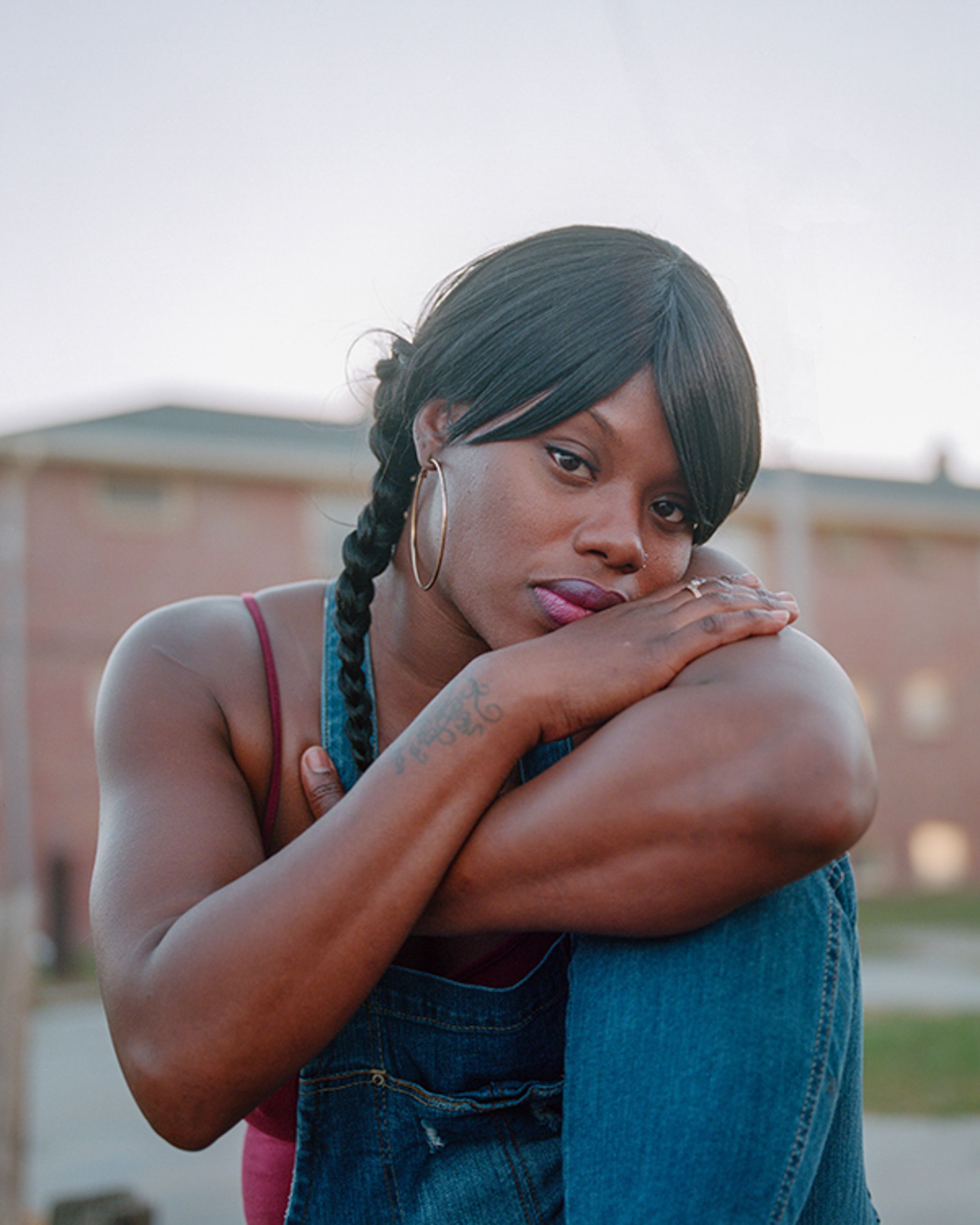
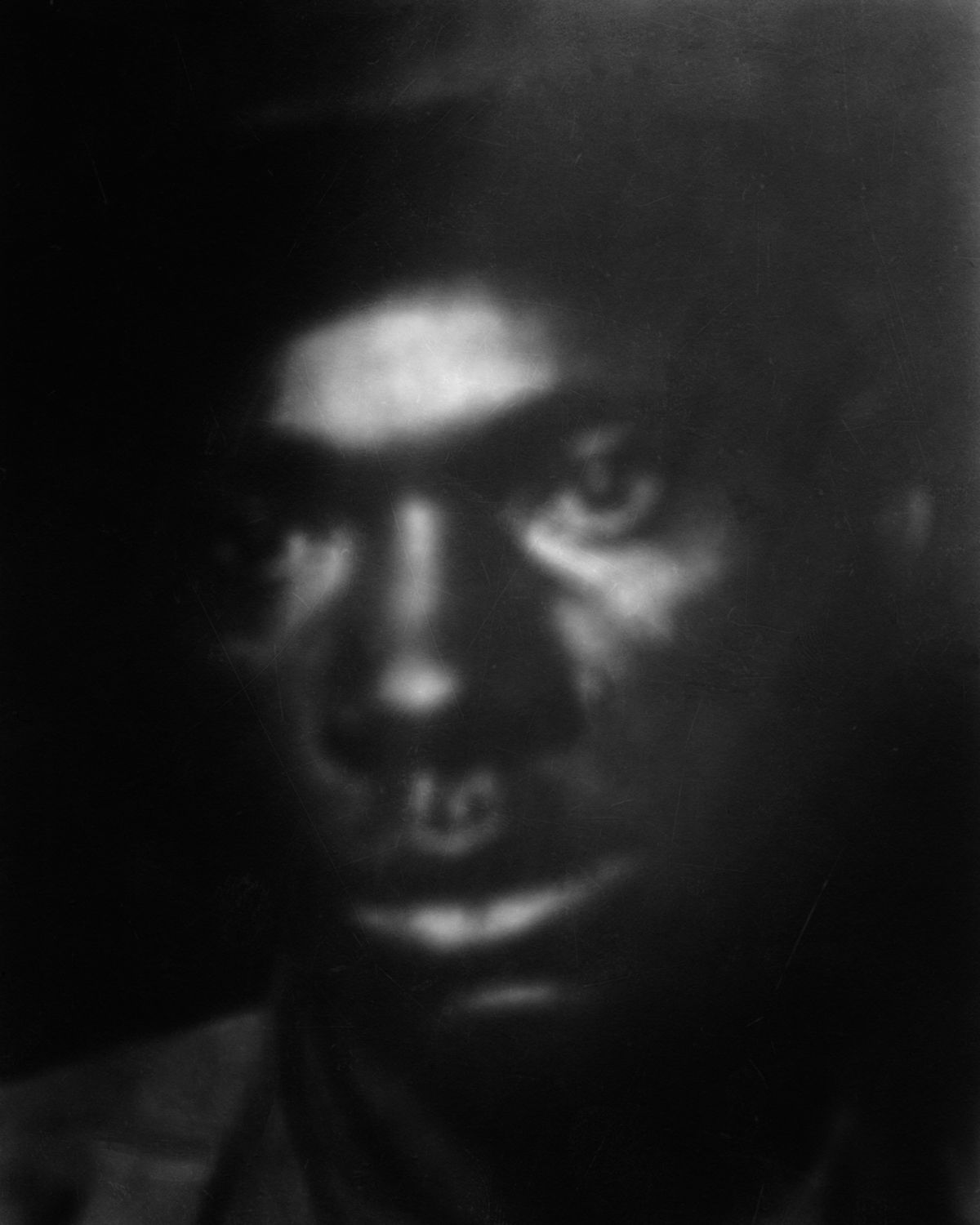
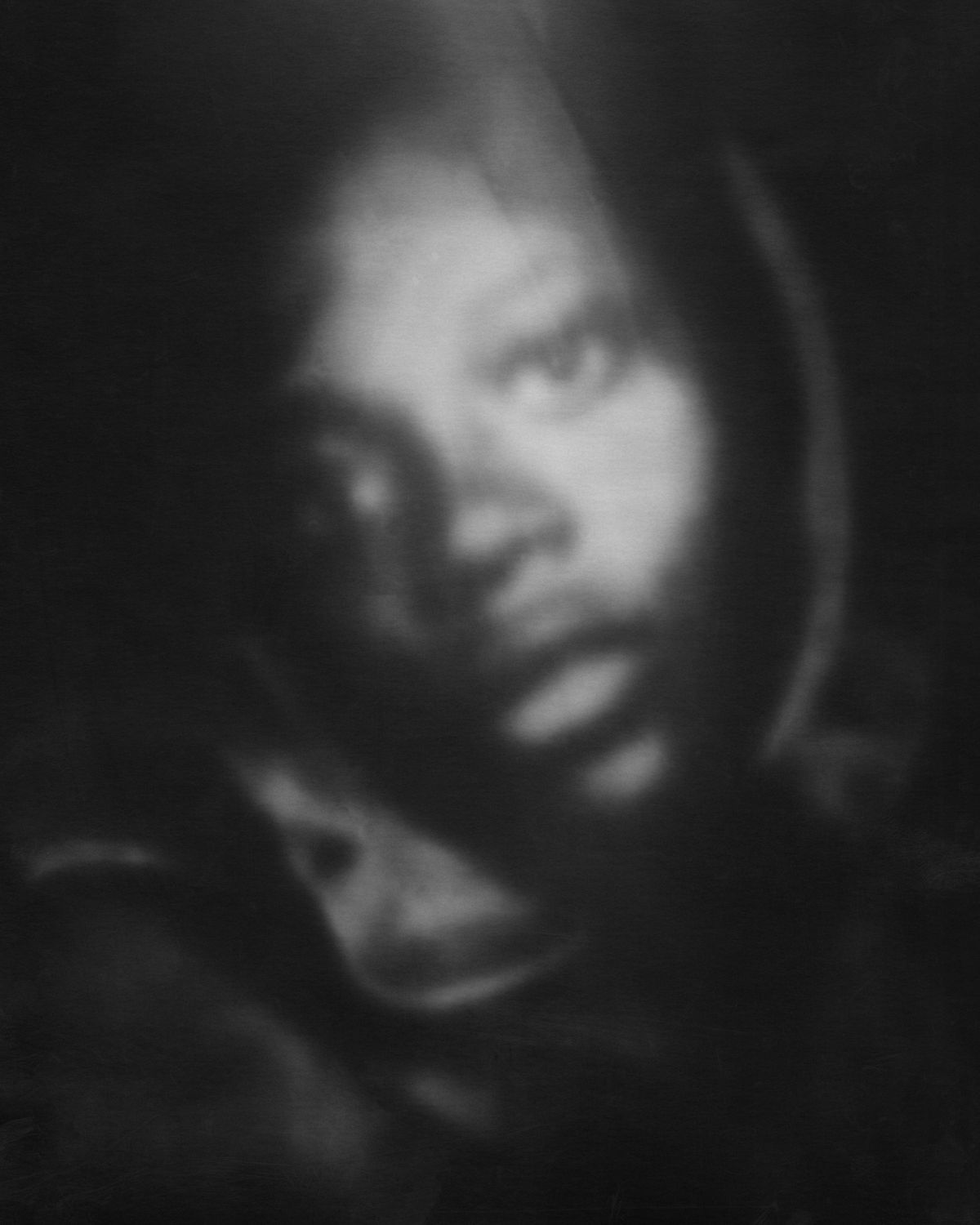
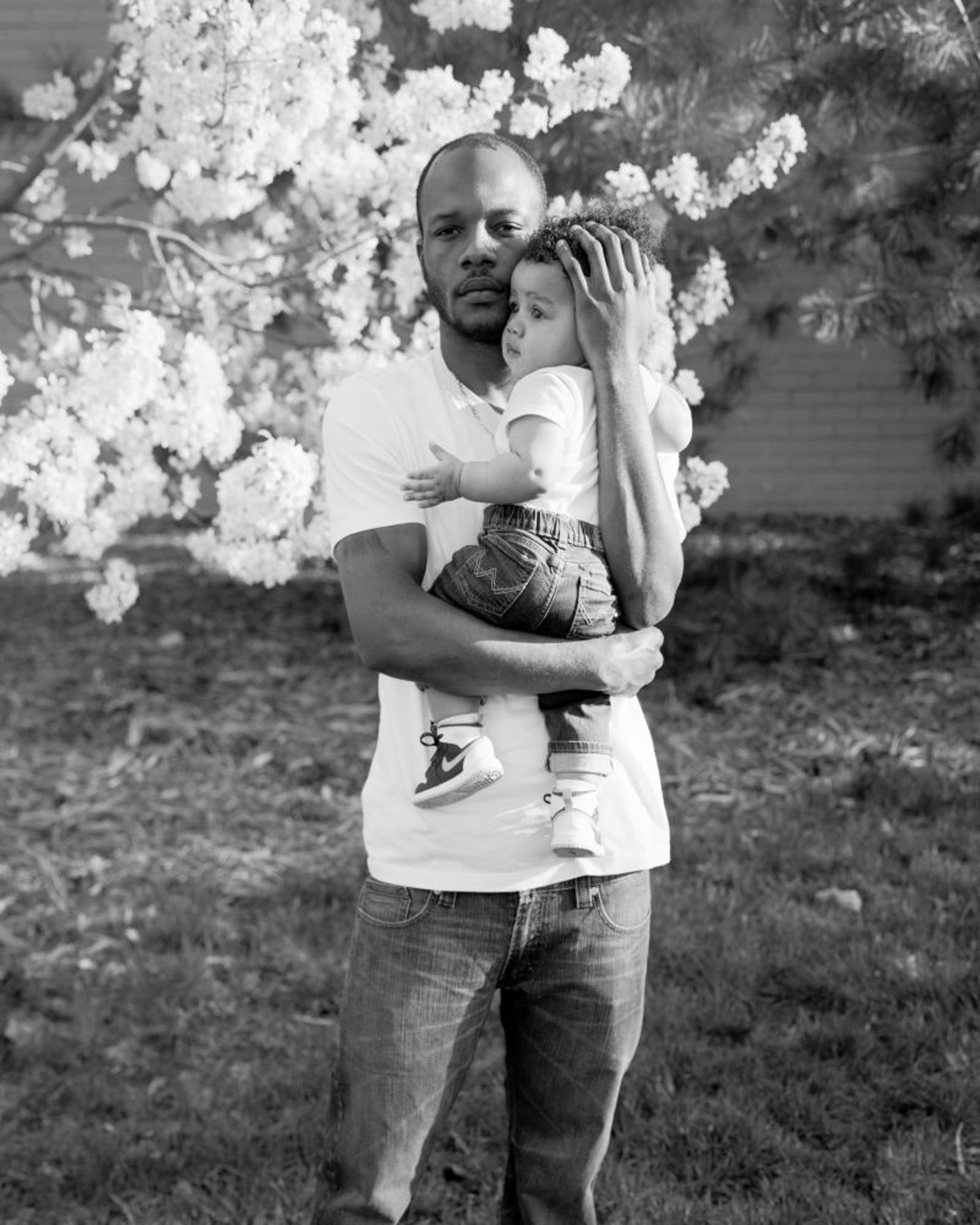
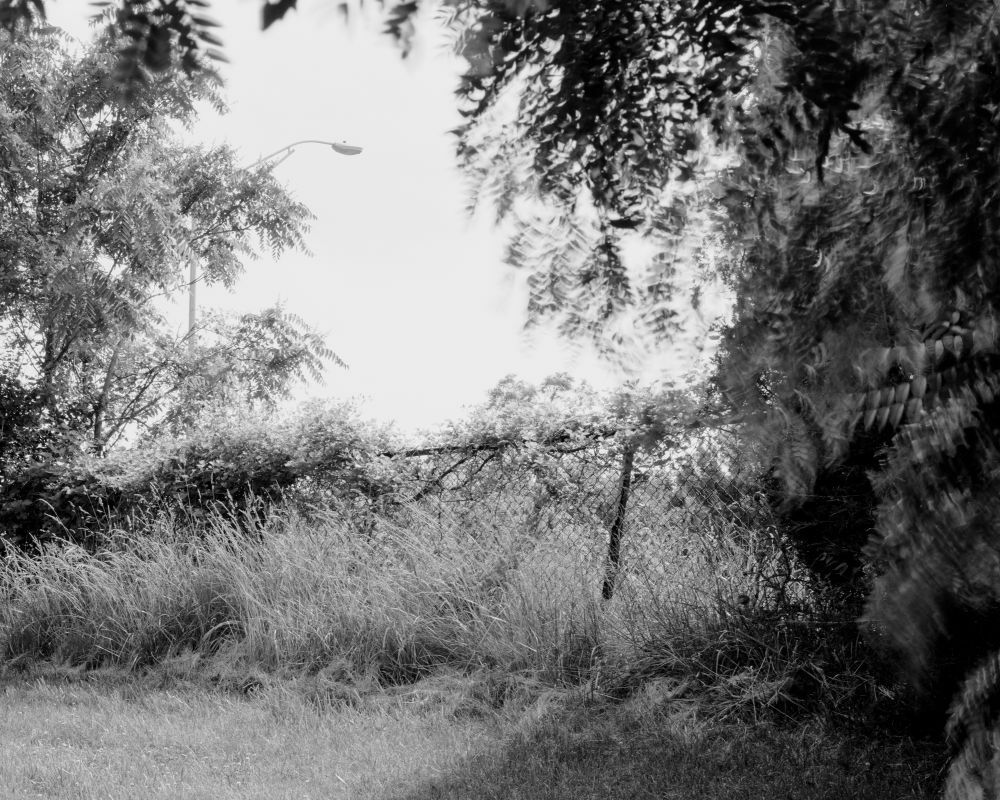
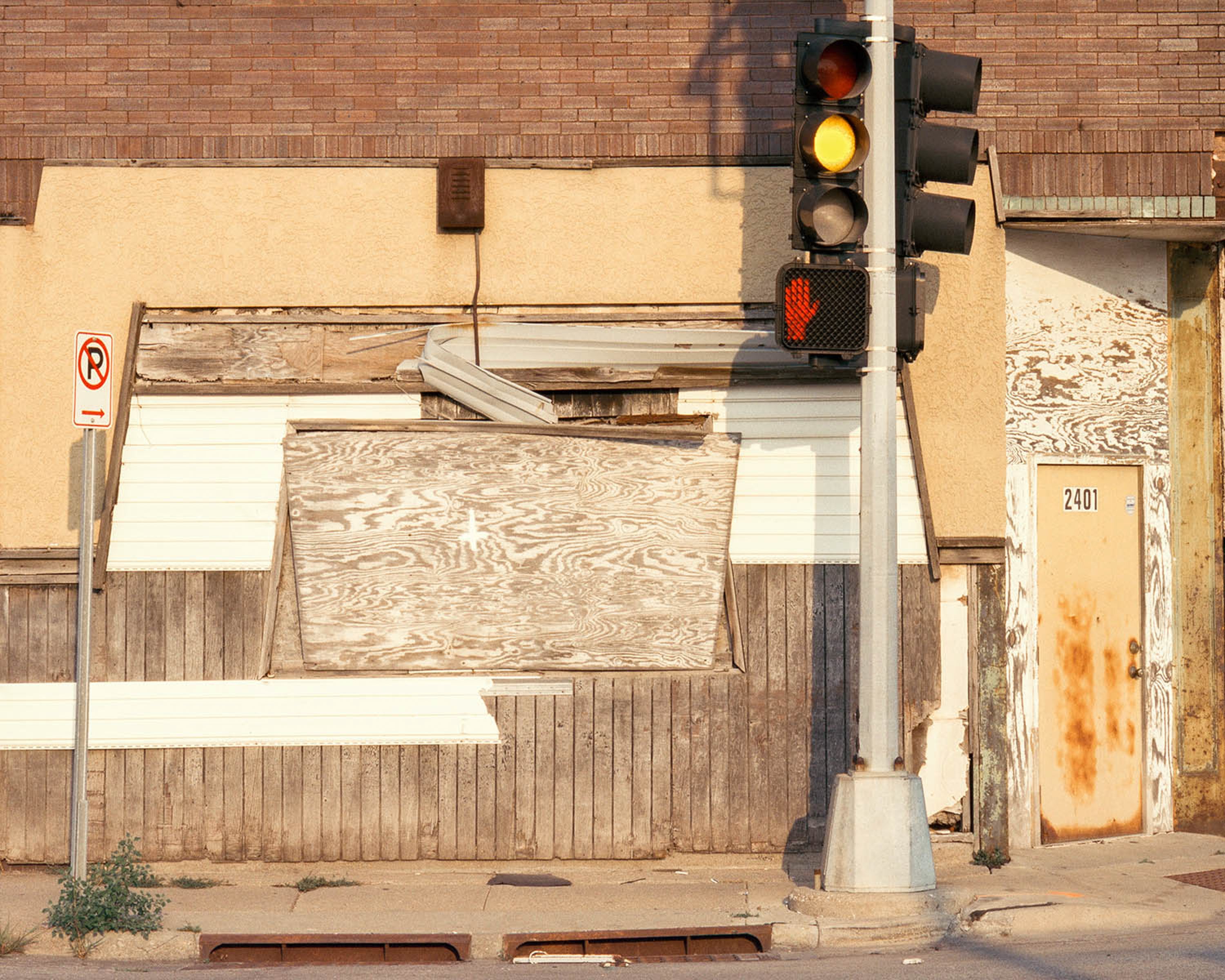
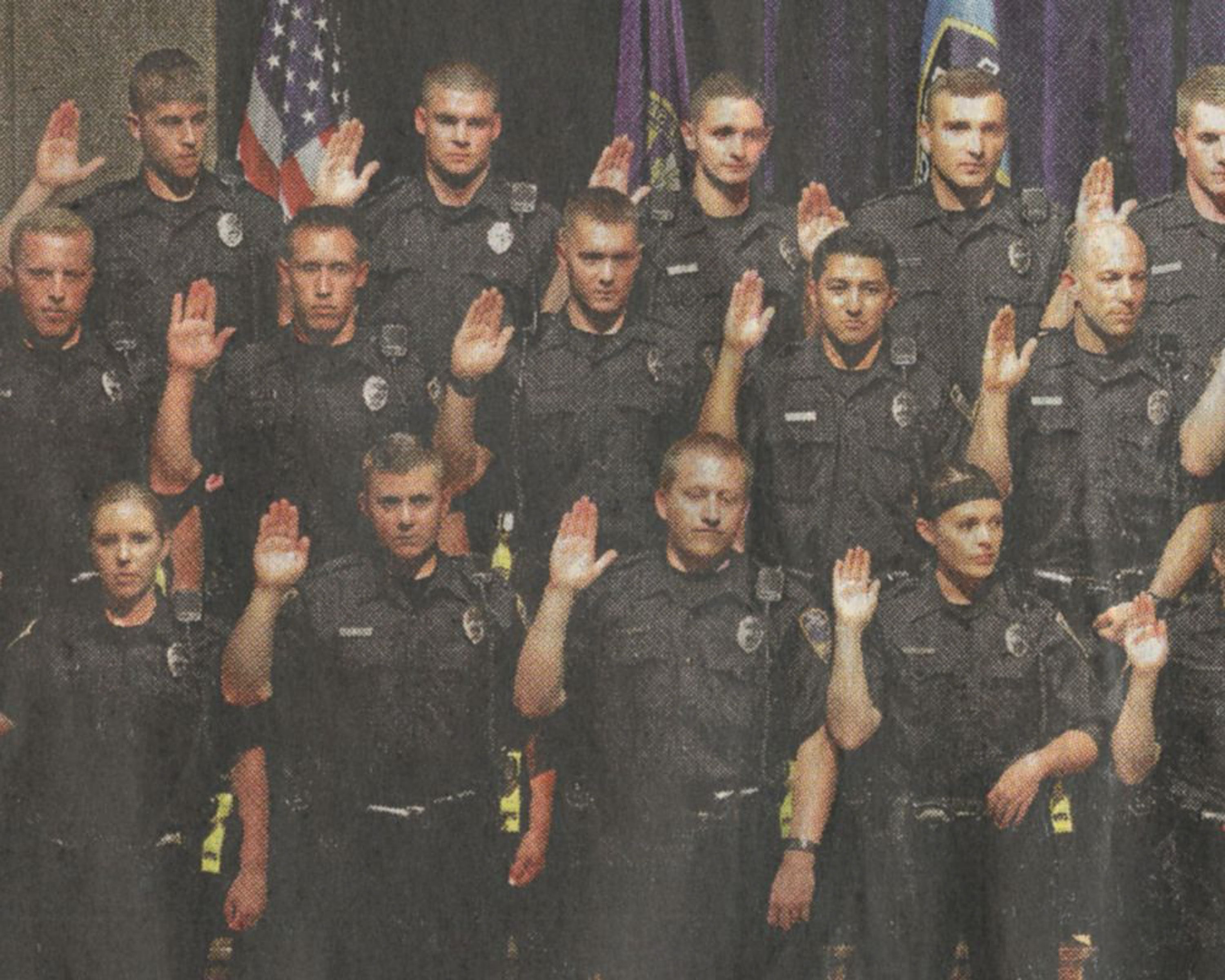
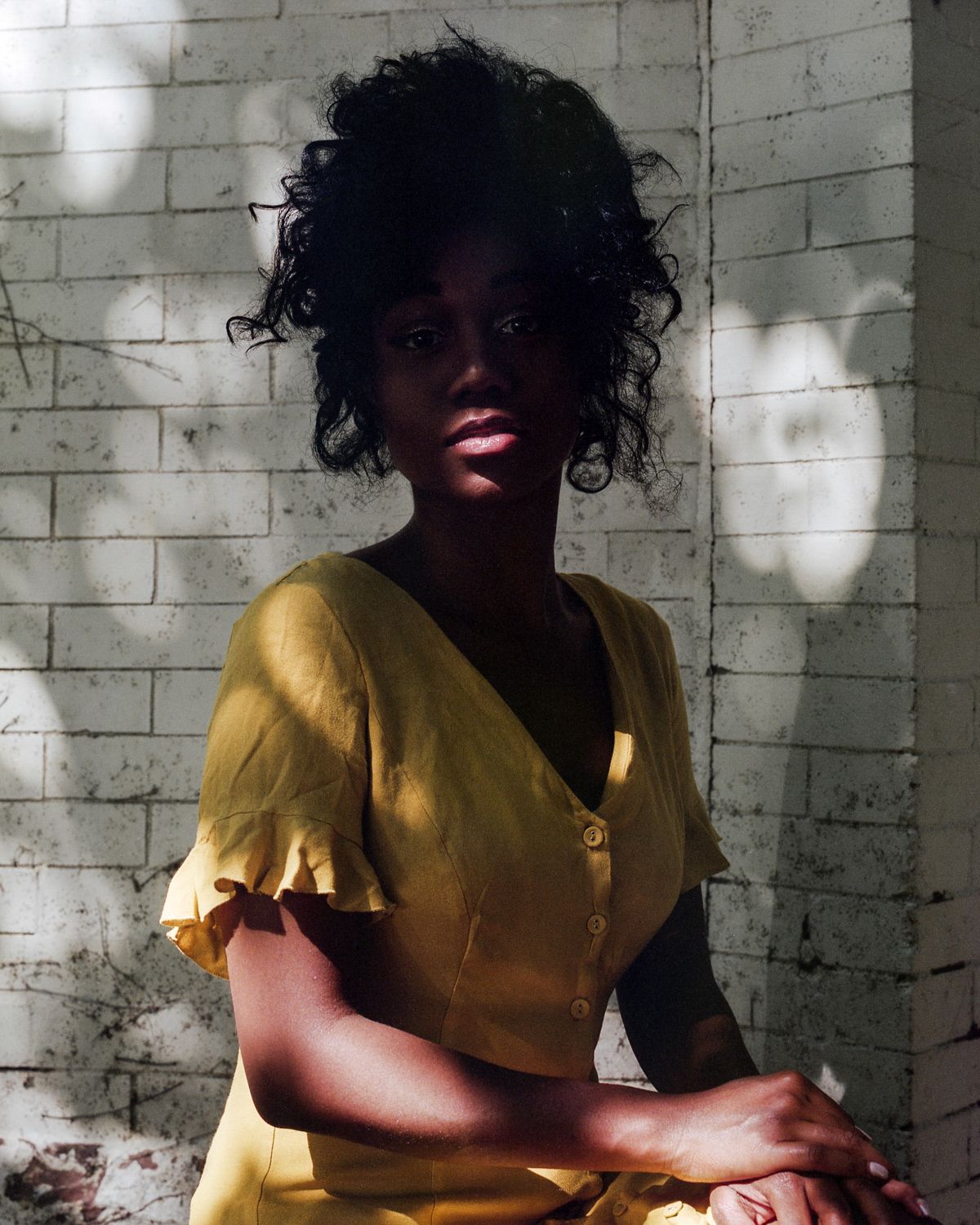
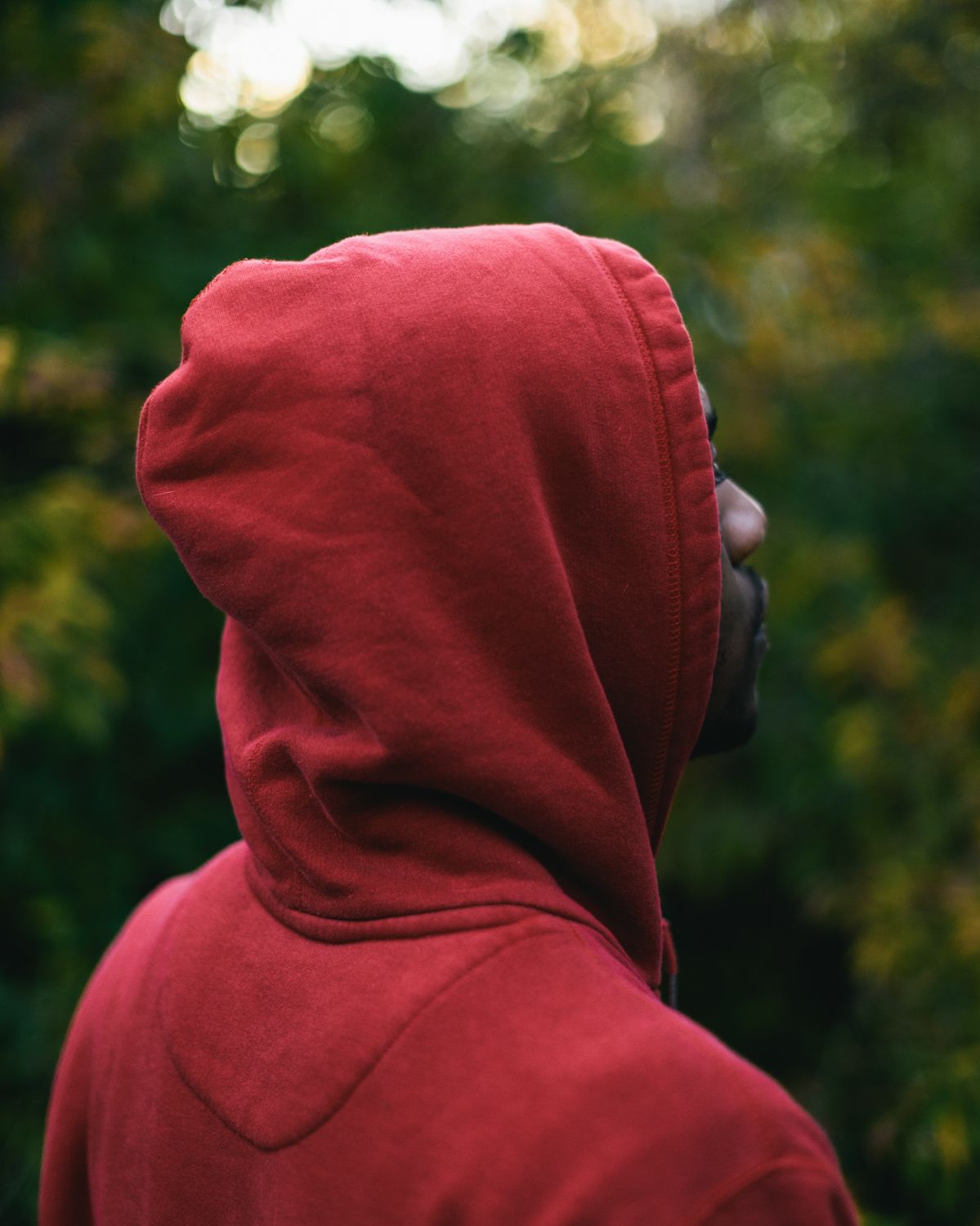
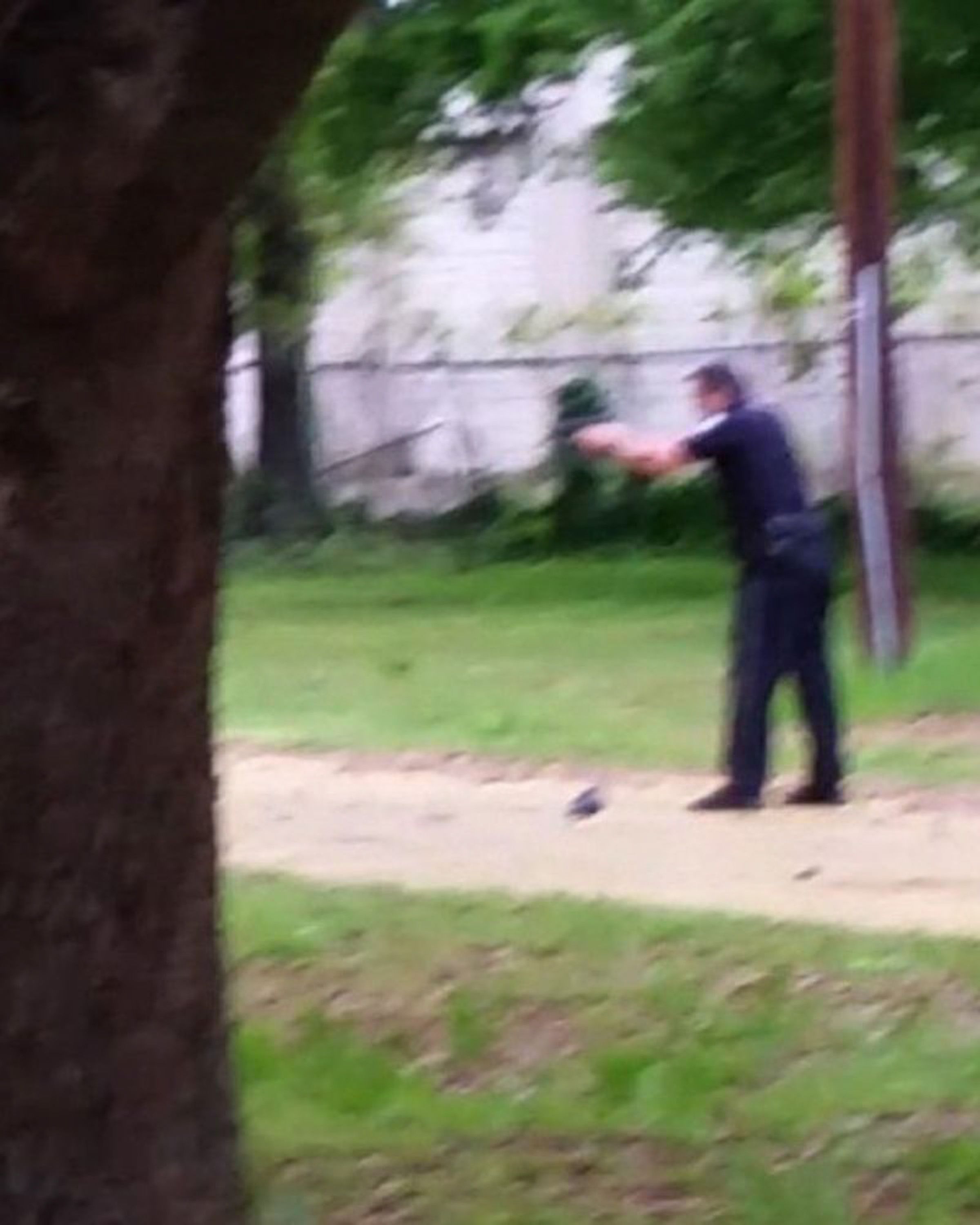
Weaving the realities of being both participant and archiver, Zora J Murff’s practice is rooted in the social commentary of white supremacy and its impact on the lives of Black people in America, including his own. Using previous experiences in psychology and social work, alongside a nuanced visual language combining archives, portraiture, and autobiographical accounts, Murff confronts America’s uncomfortable relationship with power, privilege, violence, and race and examines the complicity of the individual and the image in creating and maintaining racial hierarchy.
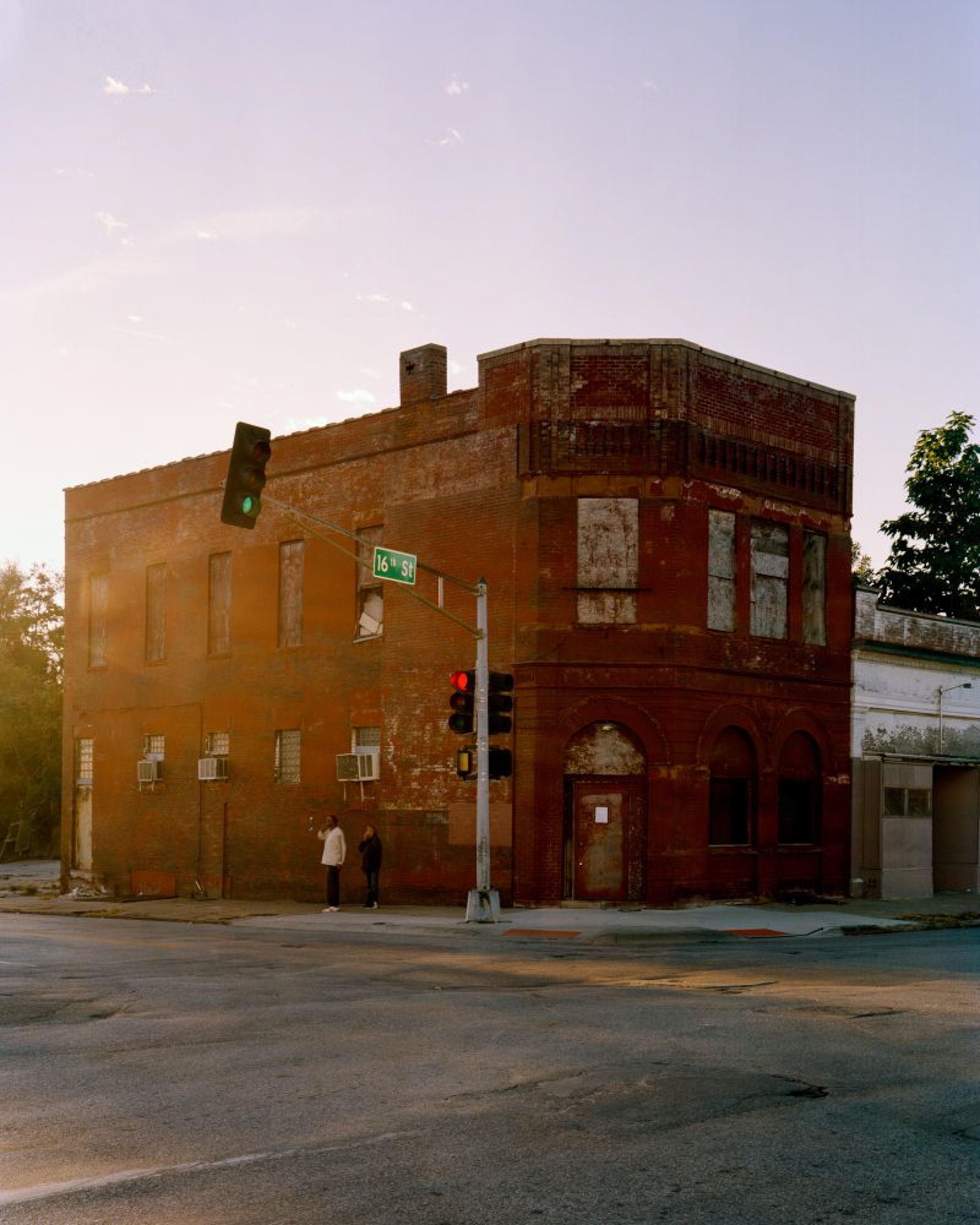
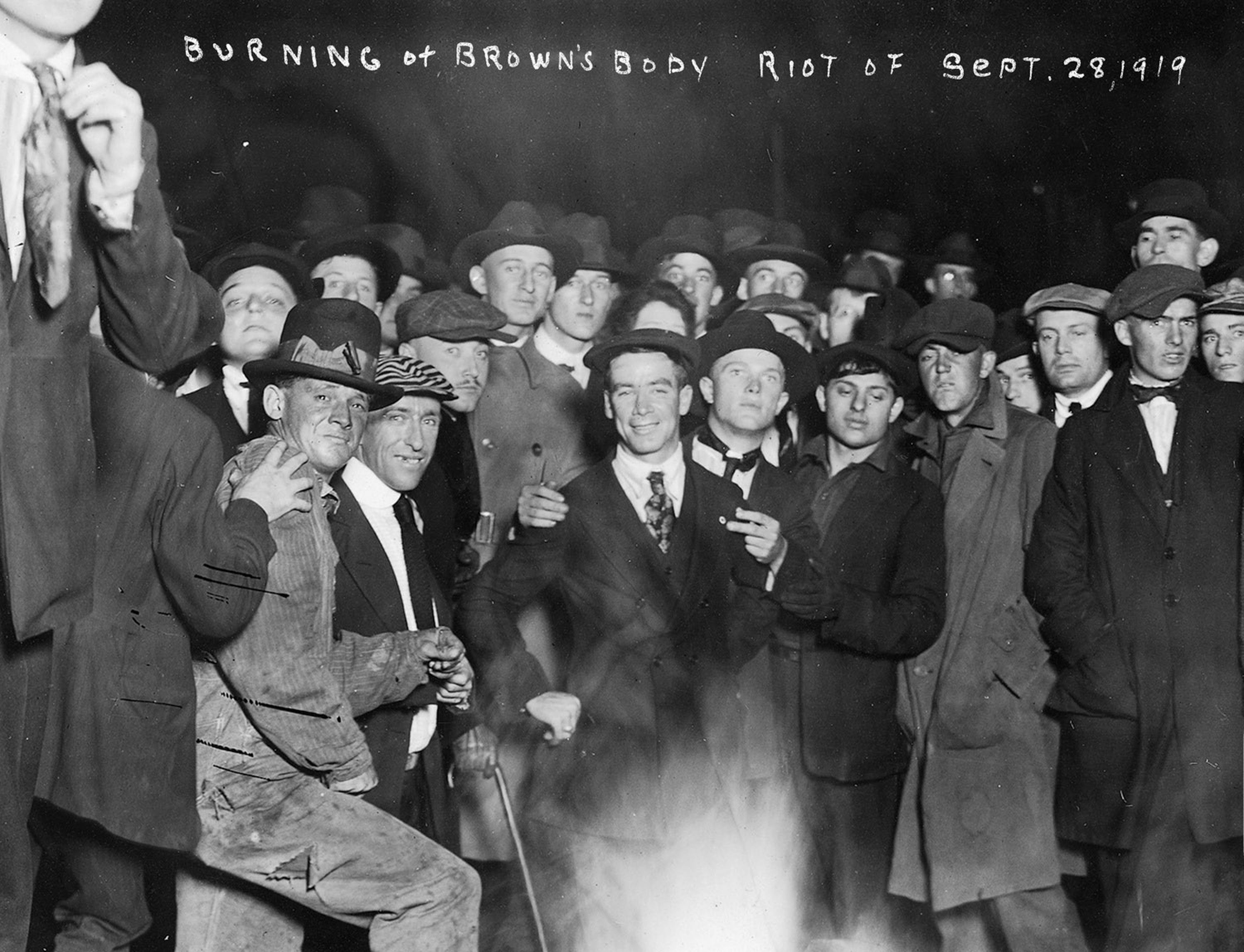
Questioning racial and cultural constructs, At No Point In Between takes as its subject the black community of Omaha, Nebraska, a place profoundly determined by systemic racism and abhorrent crimes including the lynching of Will Brown in 1919 and the assassination of Vivian Strong in 1969. The work visualizes the people and social environment of the neighbourhood, and how both have been shaped by a legacy of injustice and oppression.
The exhibition interrogates how expressions of white supremacy over black communities have evolved over time; from police brutality to more subtle forms of violence such as redlining and economic despotism.