Zora J Murff, Companion Pieces: New Photography 2020 at MoMA
31.08.20–28.02.21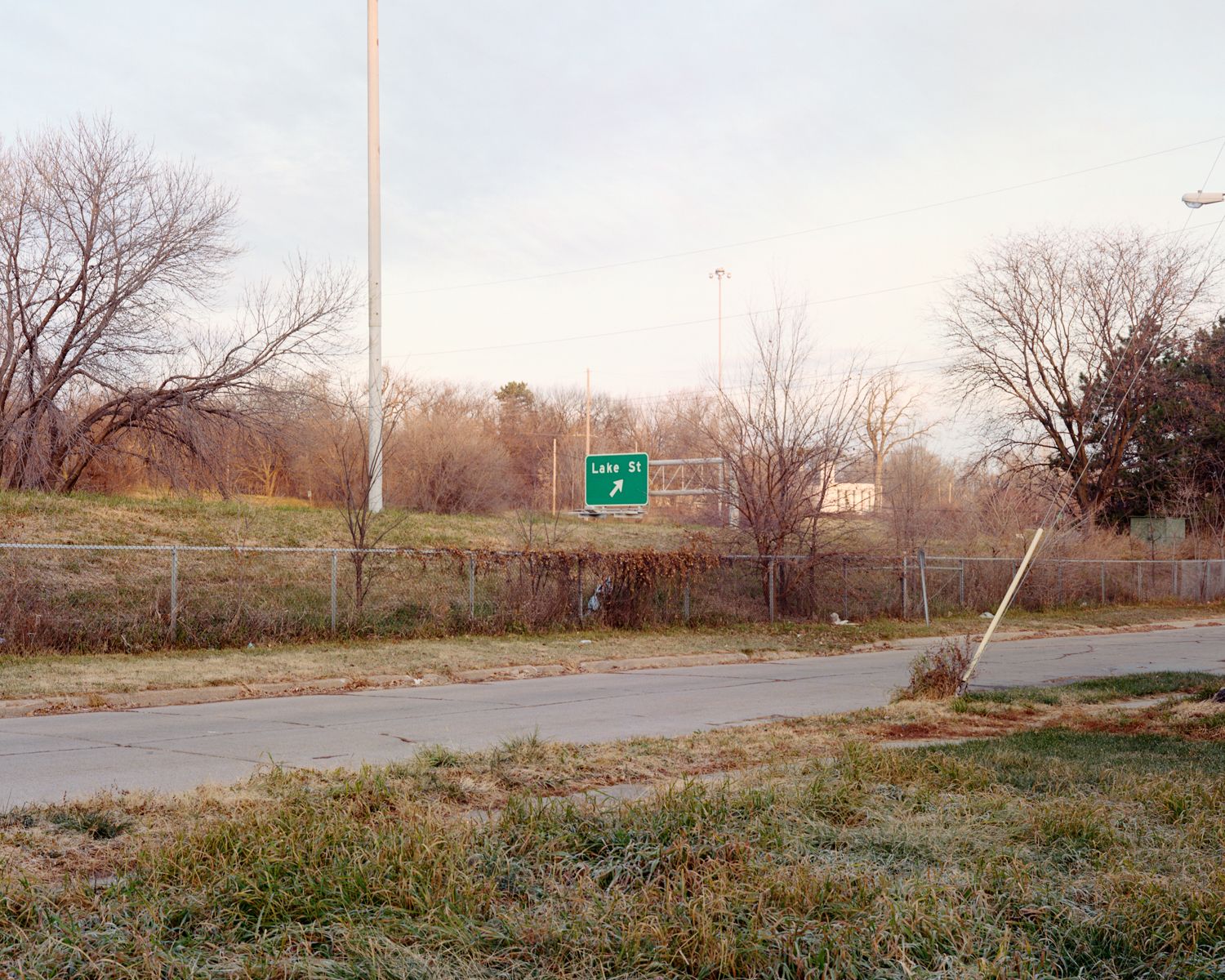


Part of MoMA’s online exhibition , curated by Lucy Gullan.
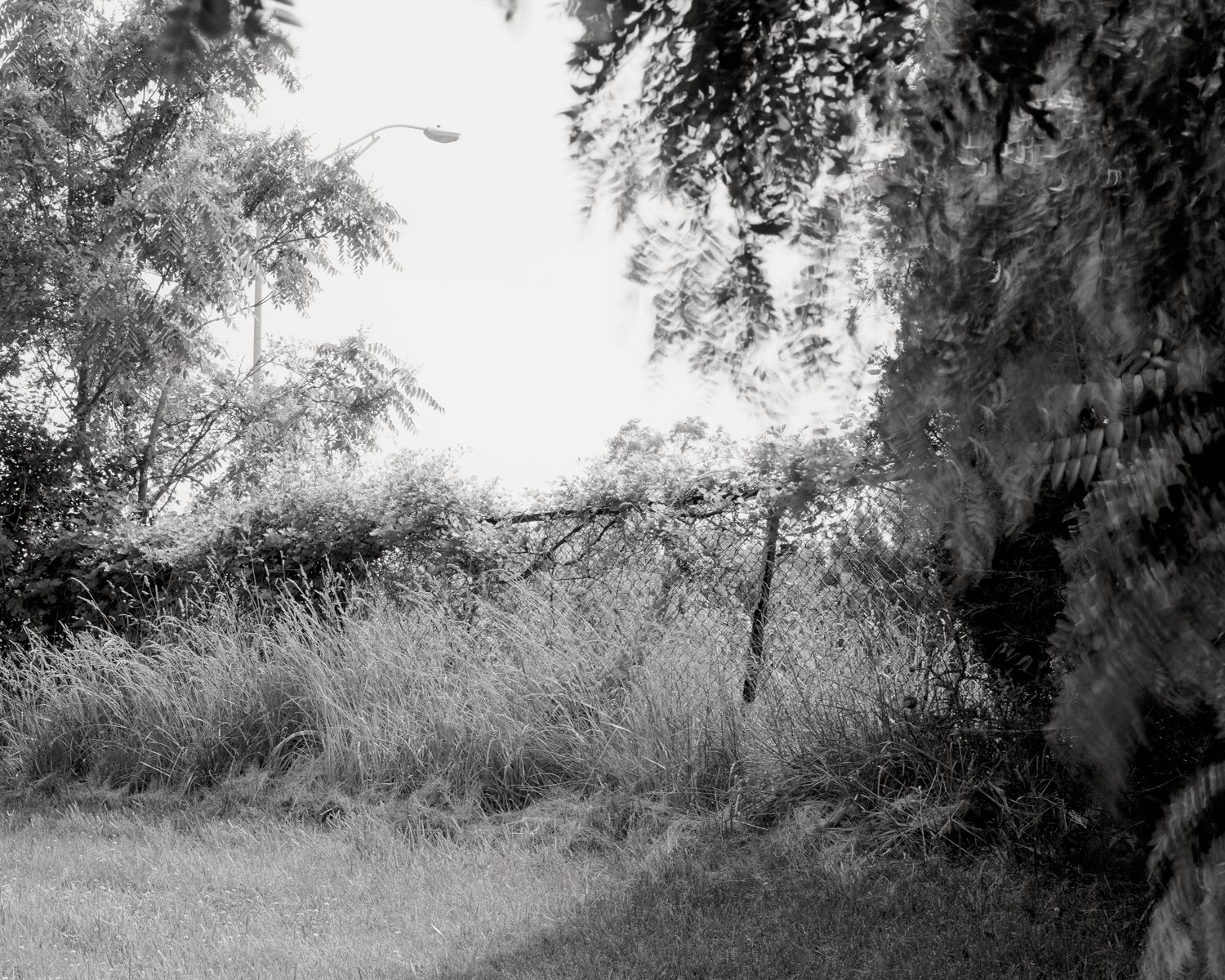
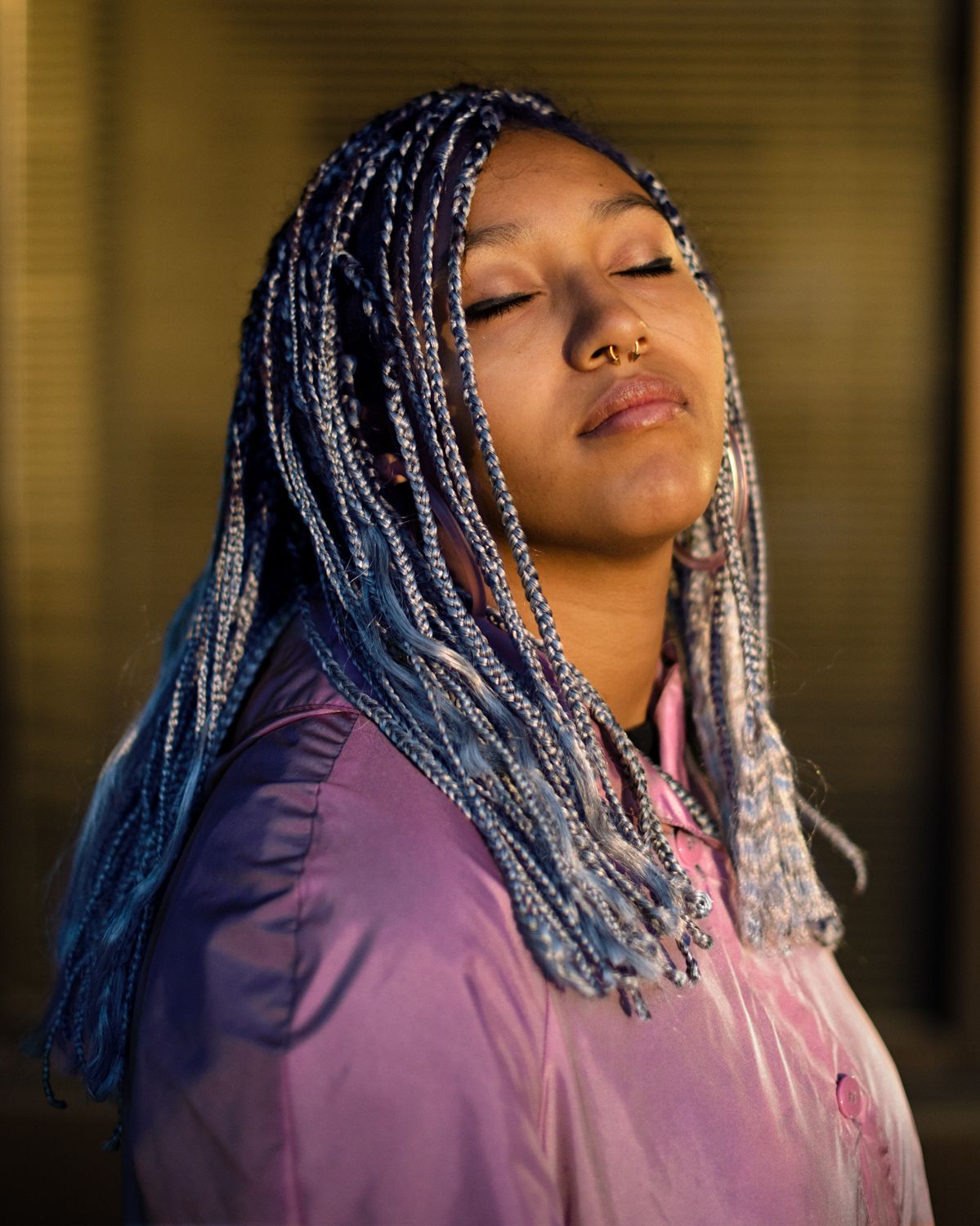
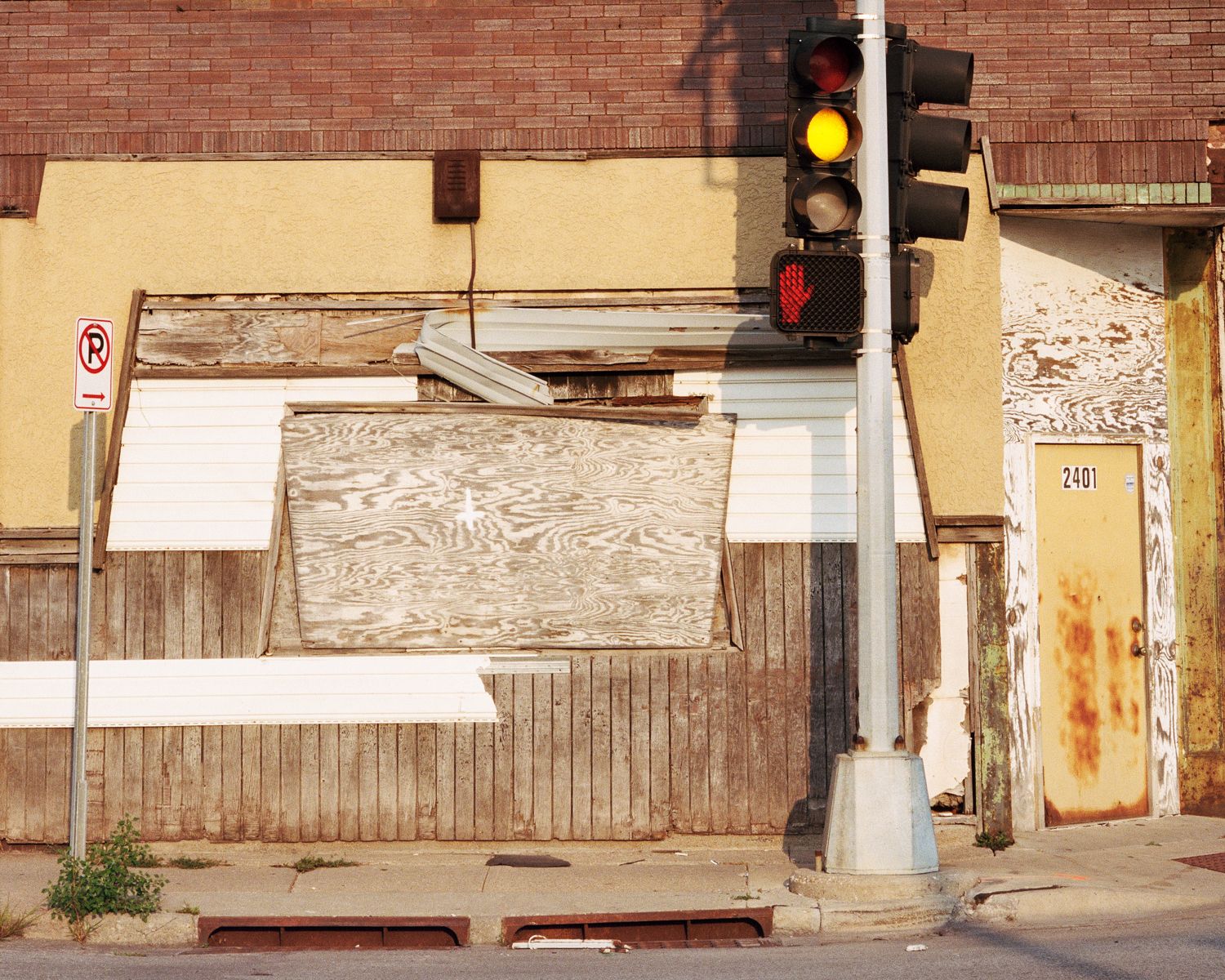
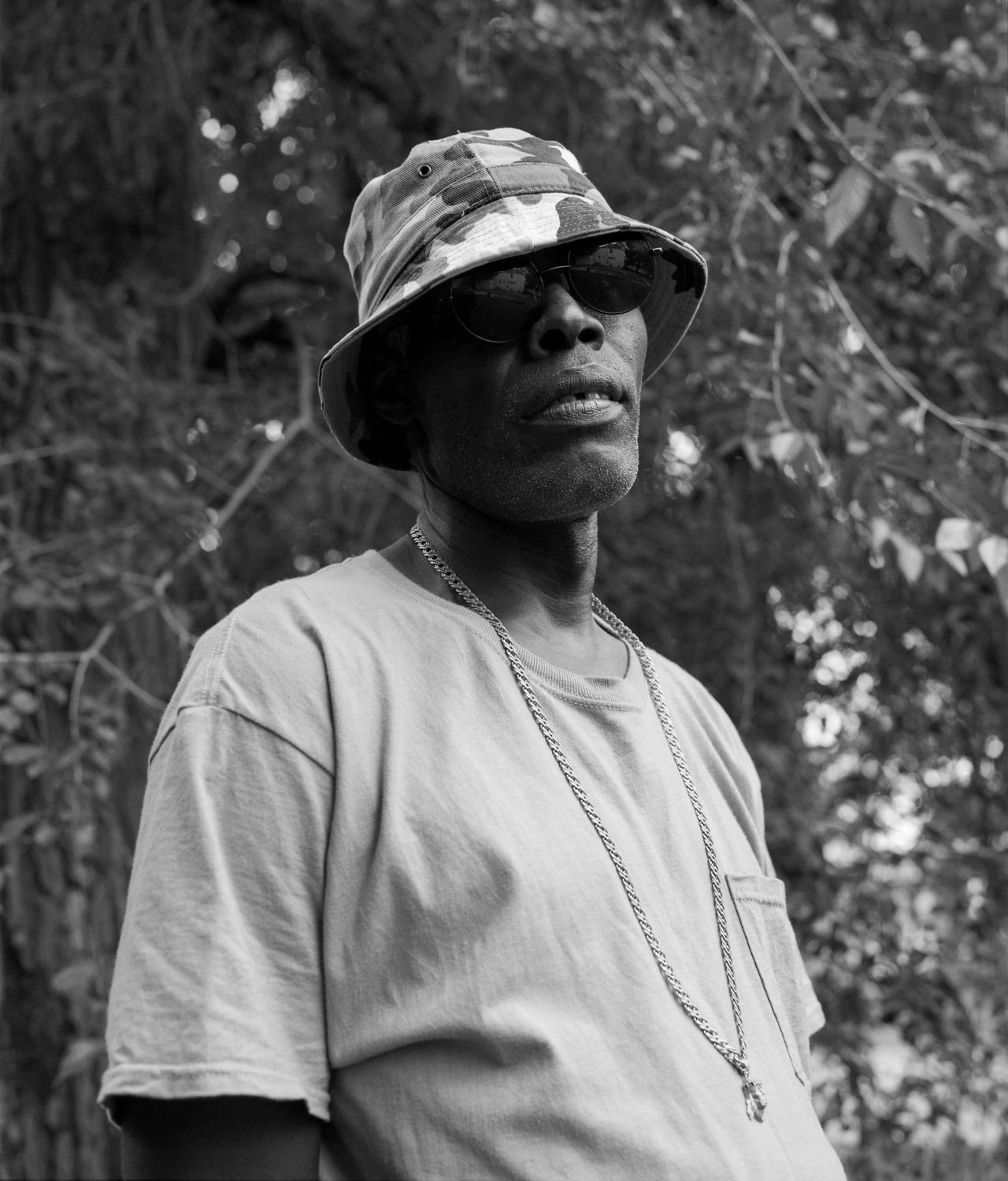
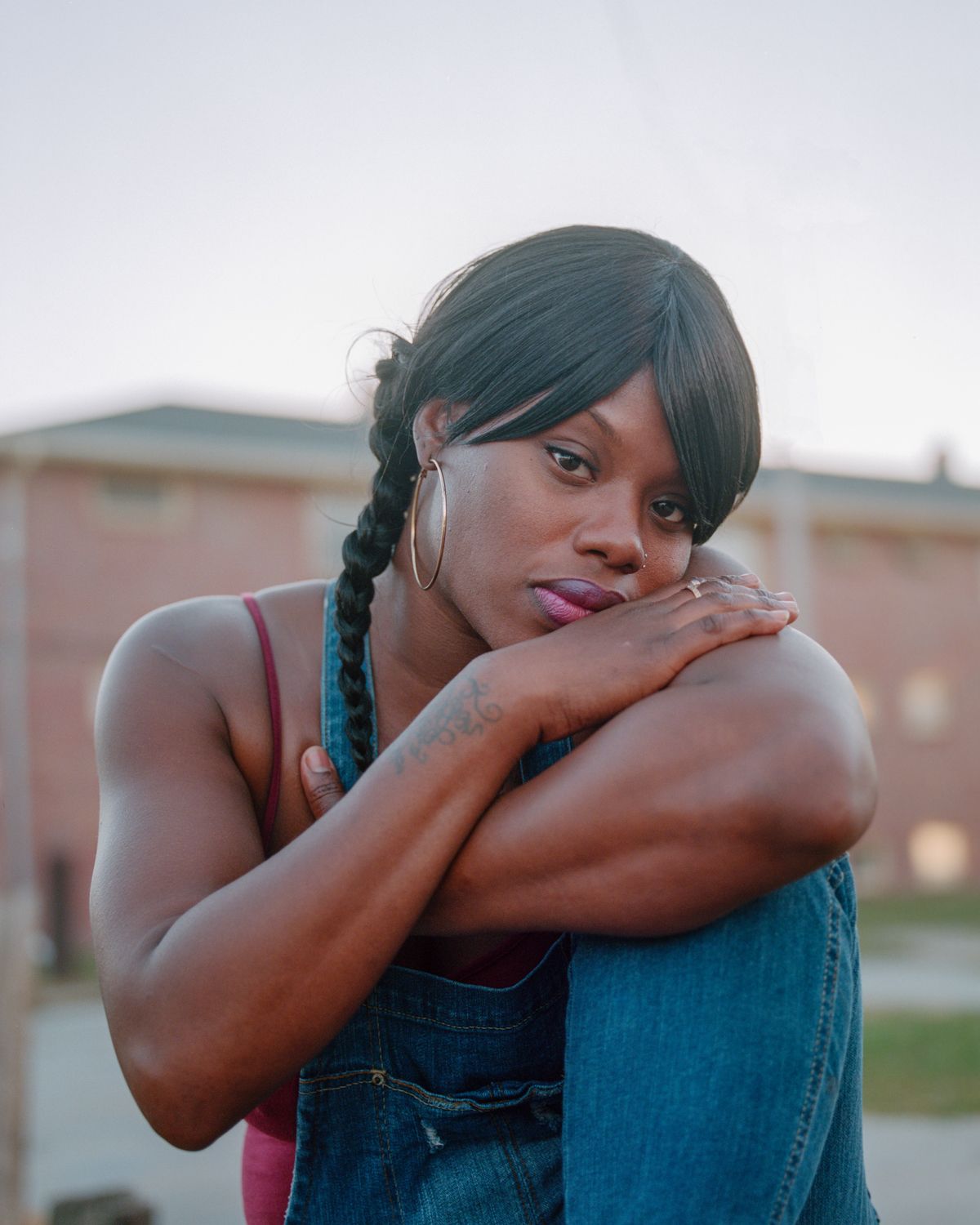
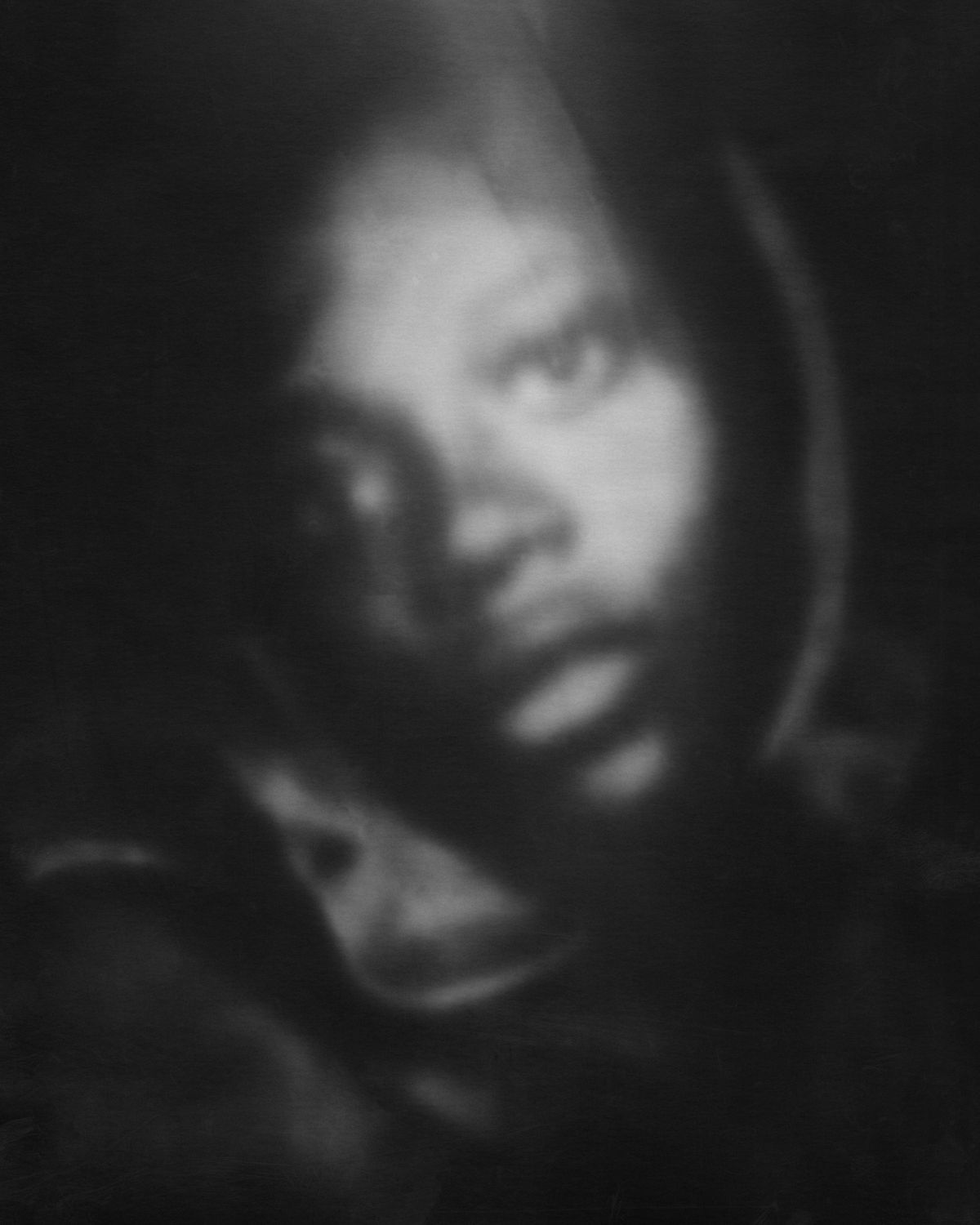
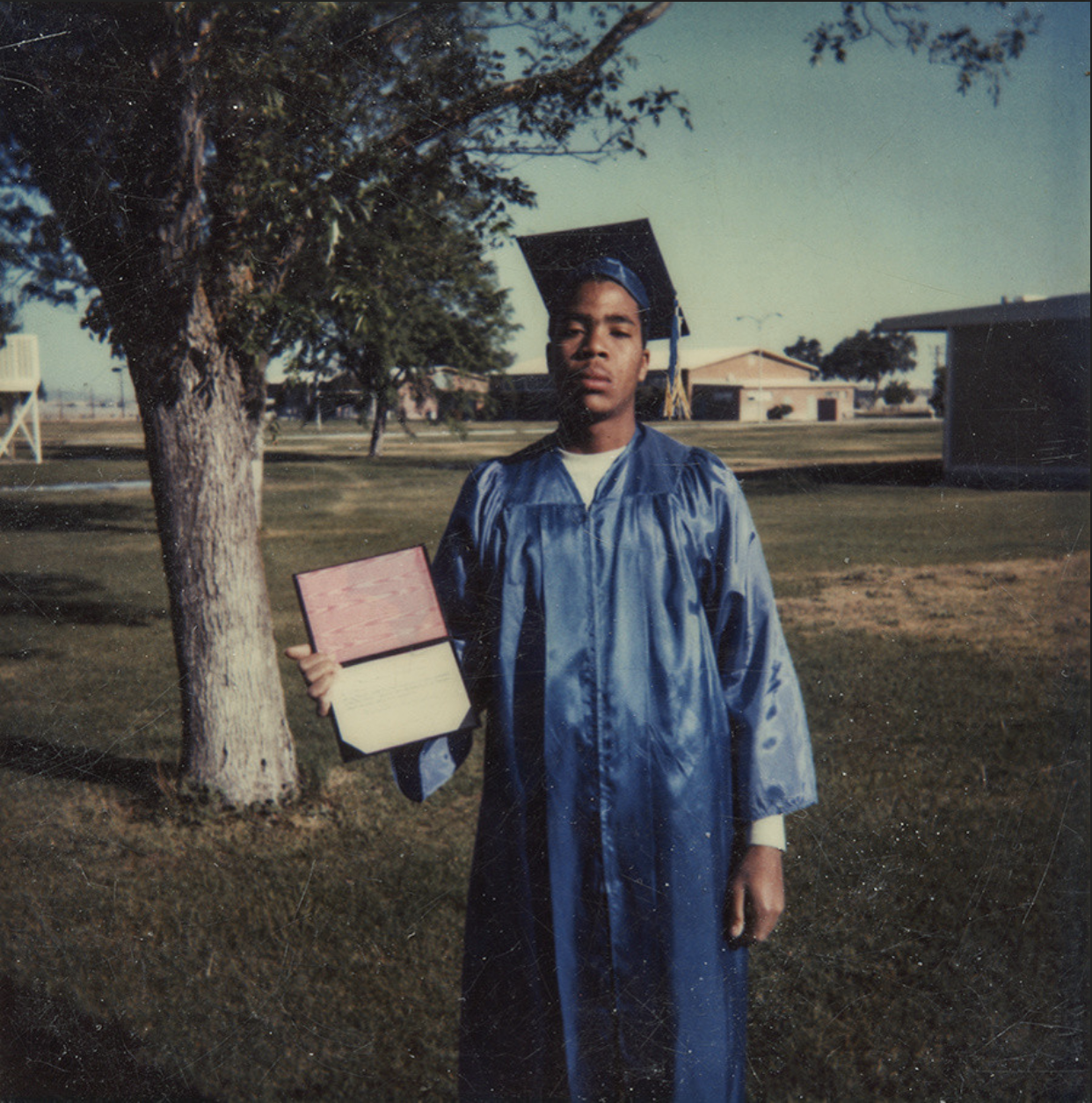
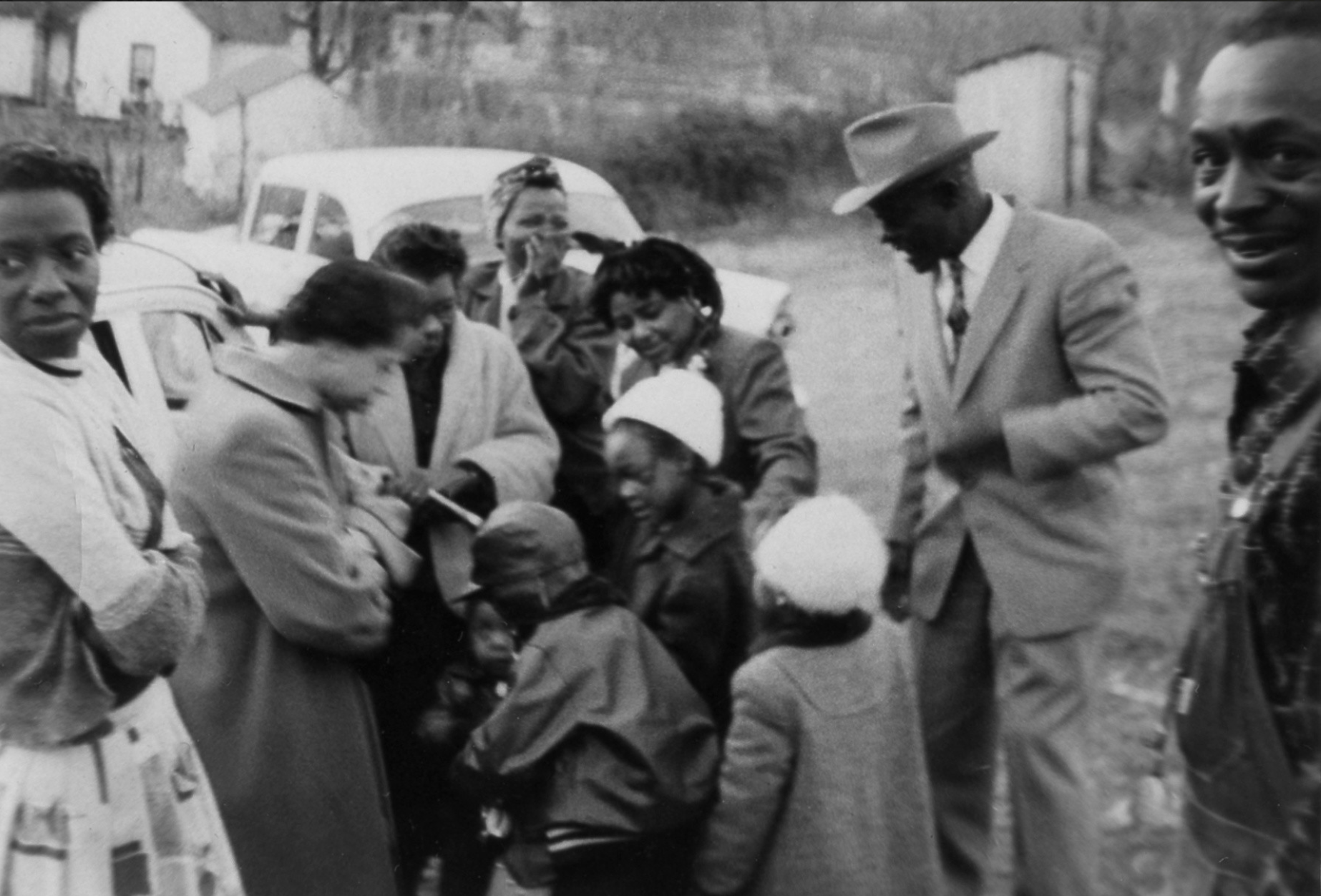
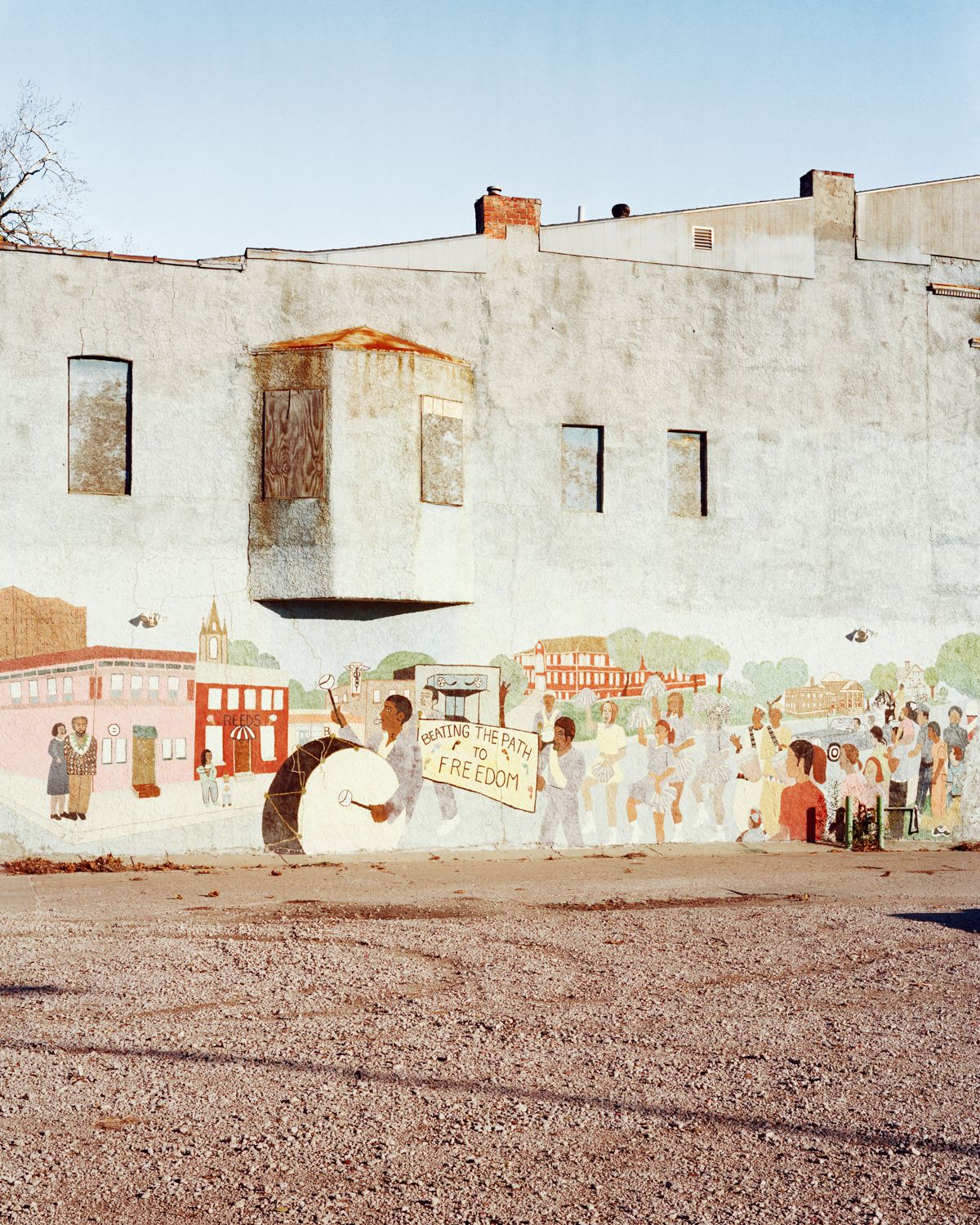
Weaving together portraits and landscapes, alongside found images, the artist’s series At No Point in Between presents a community that has been shaped by racist policies and a legacy of injustice.
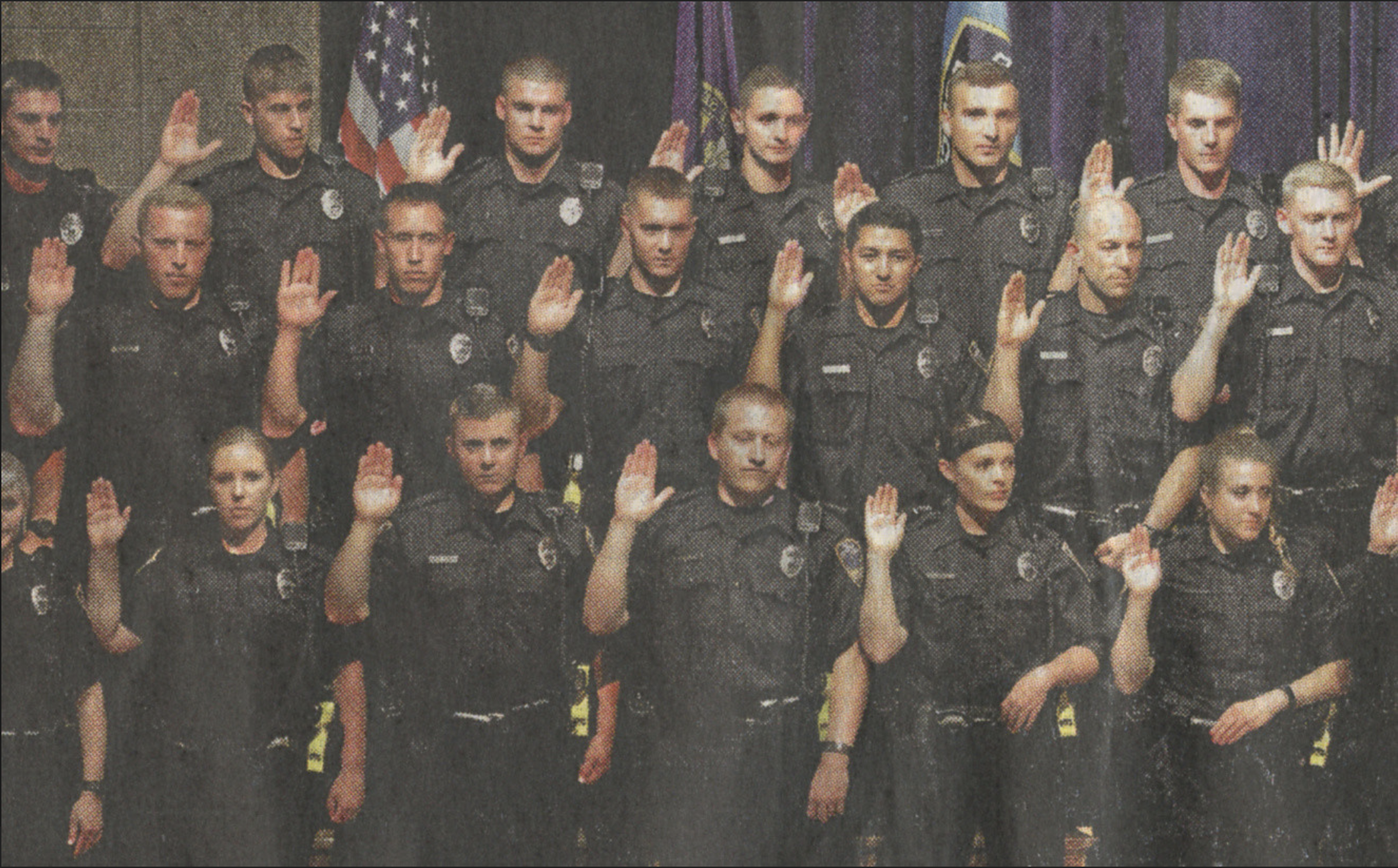
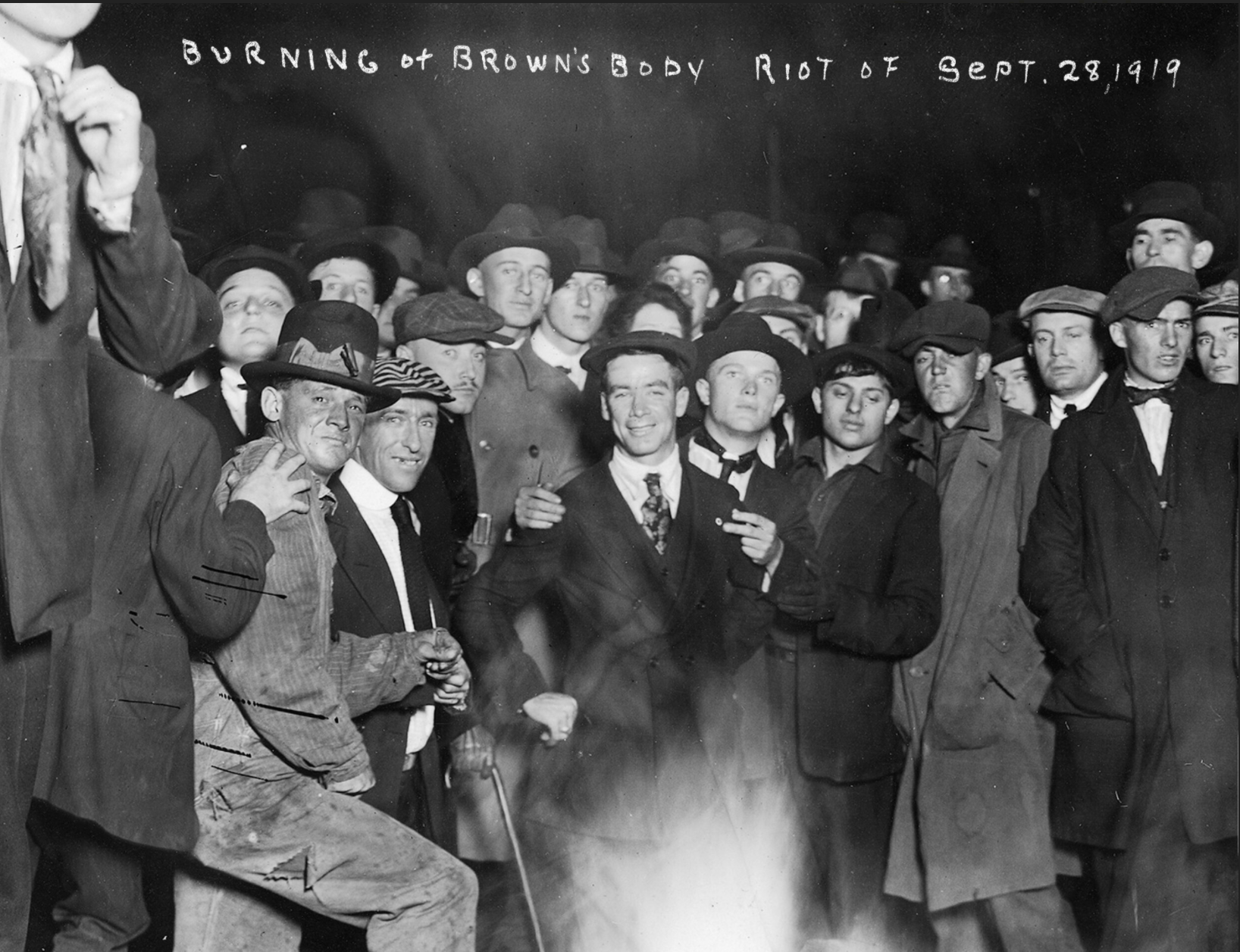
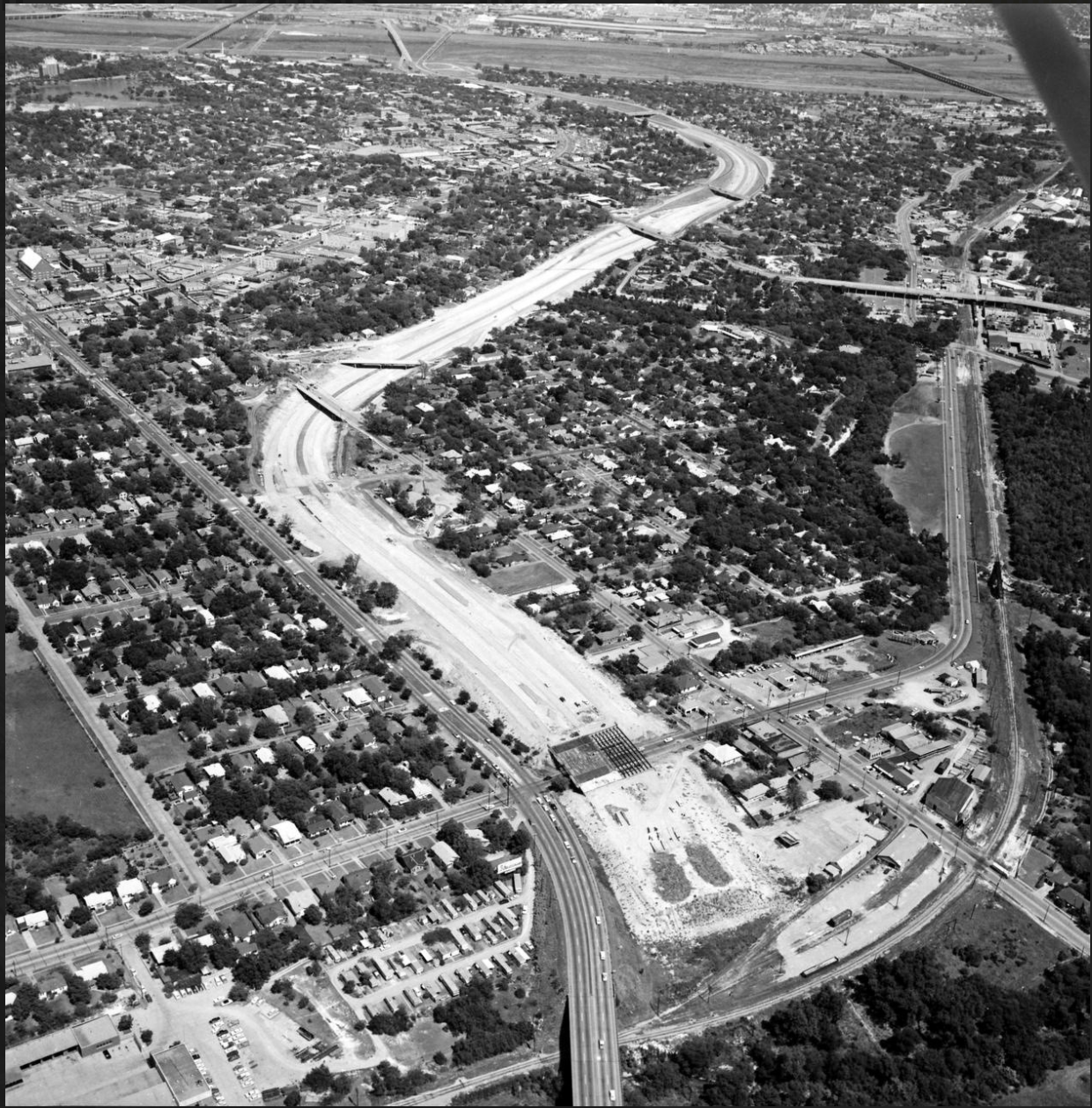
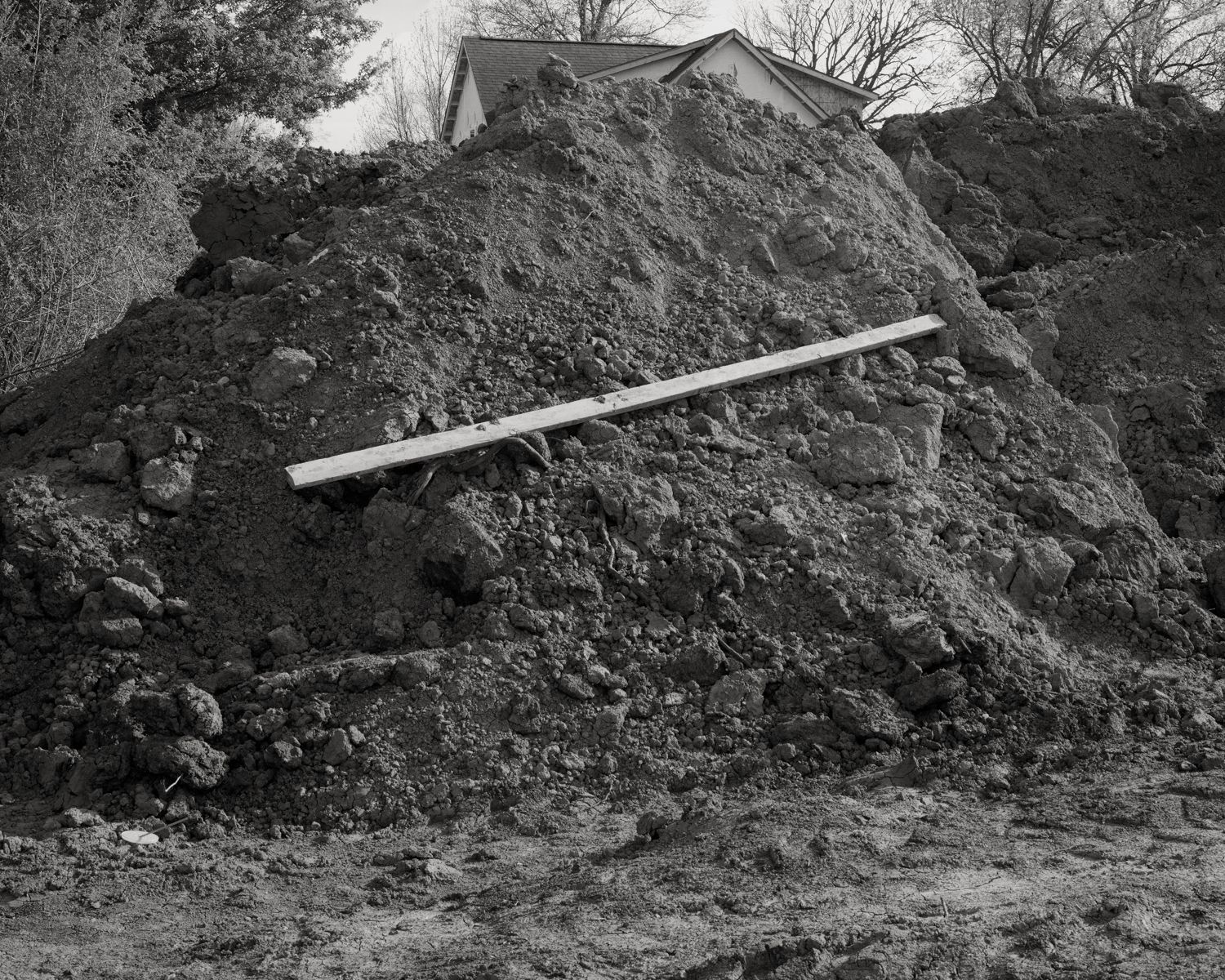
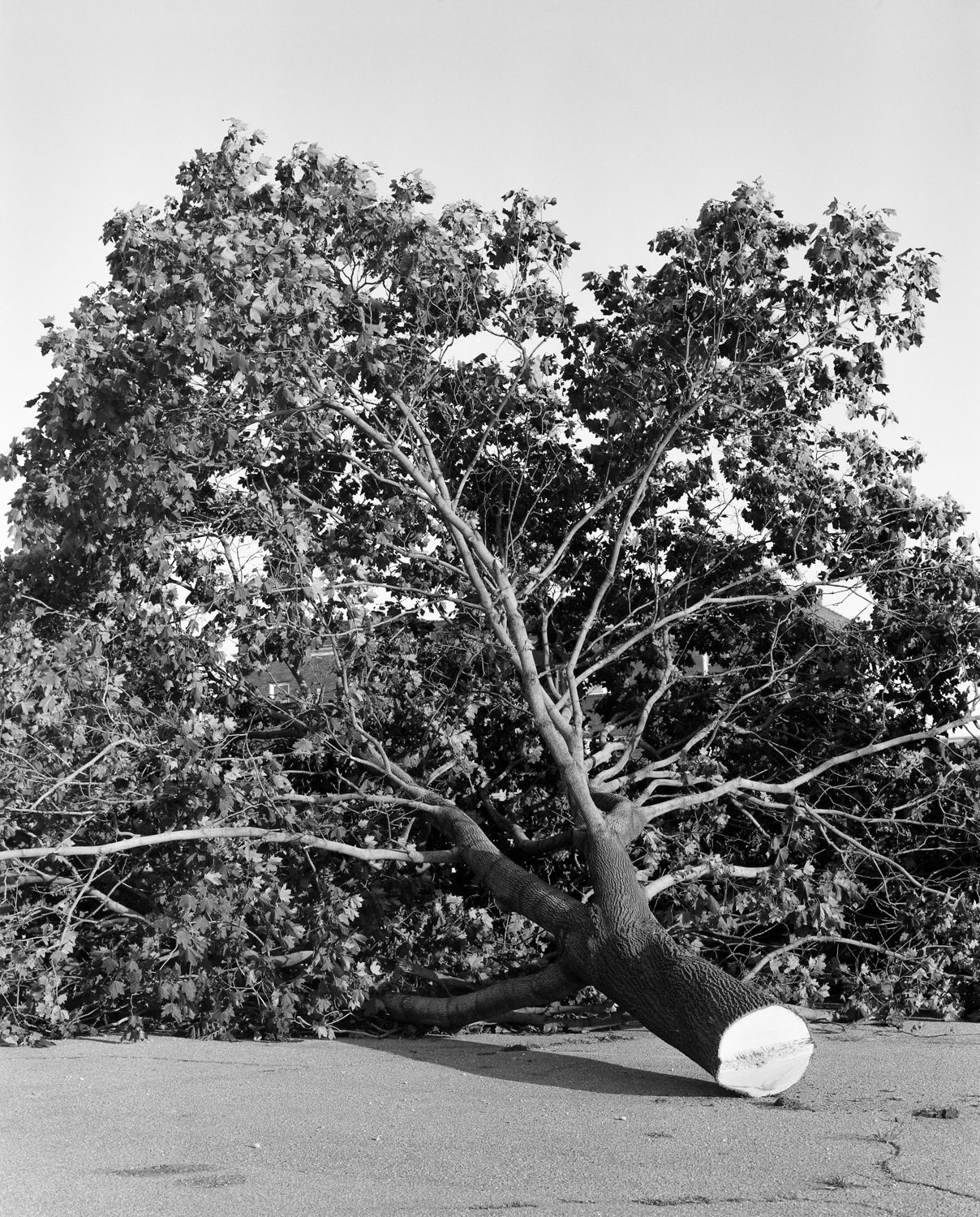
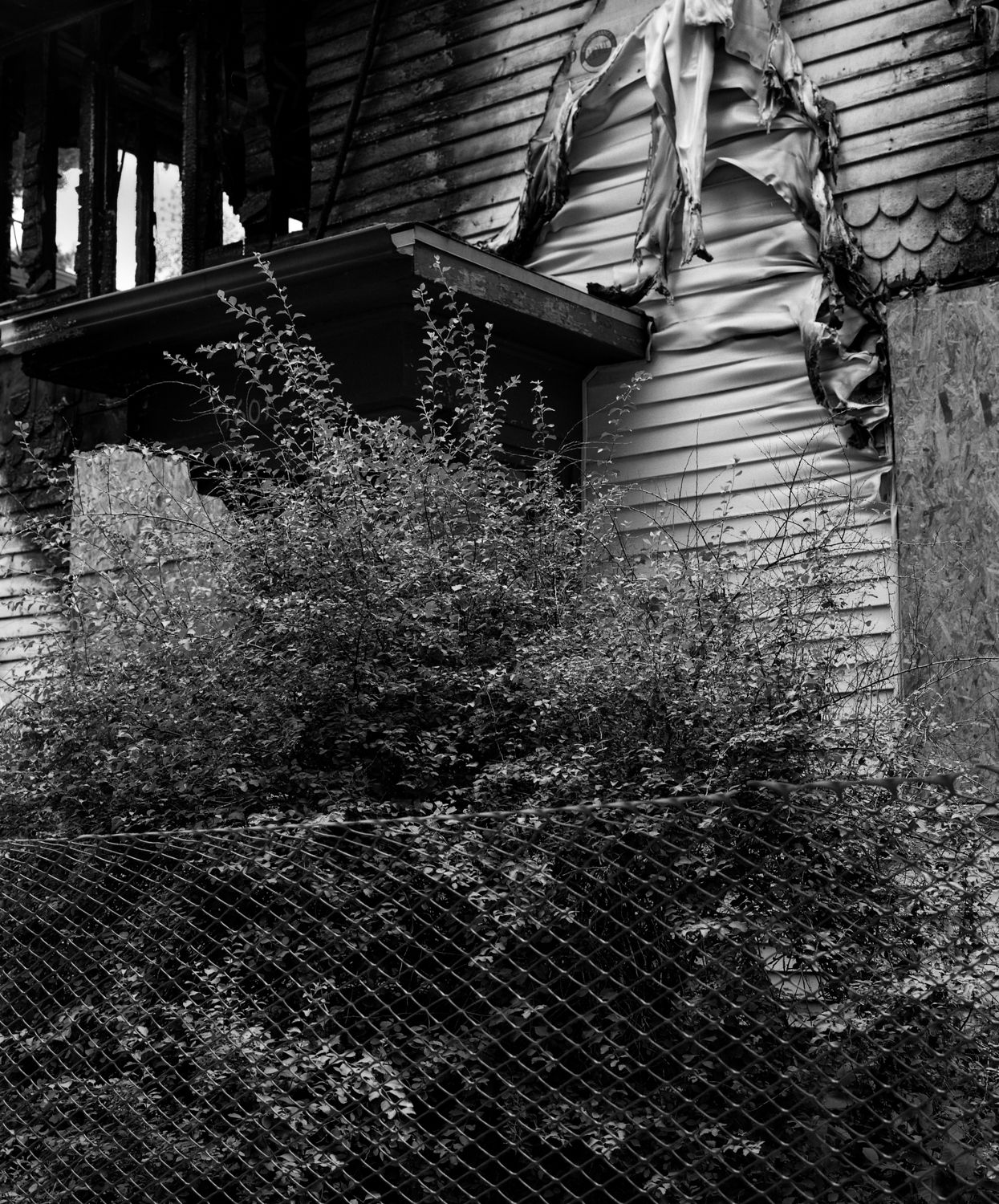
At No Point in Between takes as its subject the historically Black neighborhood of North Omaha, Nebraska. It includes poignant portraits of its citizens as well as landscape images—layered plywood, lush vines covering buildings—depicting a cityscape that has been shaped by racist policies and a legacy of injustice. Inserted into the series are examples from Murff’s collection of found images and objects, A Lineage—a framework of ancestors and structures that have shaped life in North Omaha. Murff locates his investigation of this particular place within a larger American narrative of violence. This violence is complex: it includes historical acts of violence such as the lynching of Will Brown (1919) and the police killing of Vivian Strong (1969); more recent videos of police violence that circulate widely on social media; and the systemic violence of redlining and other governmental policies that have resulted in economic oppression. By “creating a collection of images scrutinized in both their historical and contemporary contexts,” Murff explains, “I metaphorically connect the body and the landscape, fast and slow violence.”